


 Posts
Posts


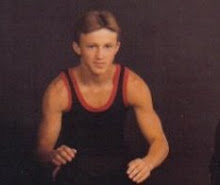
Although wrestling has many moves and techniques, USA Wrestling considers the sport to have seven basic skills.
The seven basic skills are:
• Stance
• Motion
• Level Change
• Penetration
• Lifting
• Back Step
• Back Arch
Stance
While in the neutral (standing) position, some wrestlers prefer a square stance while others prefer a staggered stance. Either stance can work equally well. Make sure you have most of your weight on the balls of your feet as opposed to your heels. You should never be standing straight up and leaving yourself open to a takedown from your opponent. You should utilize a comfortable but effective stance. You need a stance that allows you to attack as well as defend.
Motion
Wrestling involves a tremendous amount of motion. You may circle your opponent. You may attack your opponent with a takedown attempt. You may snap your opponent to the mat and spin around behind him. You may sprawl to defend against a takedown. You need to learn to move fluidly and quickly. You don't want to be clumsy or sloppy. You need to execute moves explosively and crisply.
Level Change
Before a wrestler shoots a takedown, he must lower his level. This is accomplished by lowering his hips. When a wrestler sprawls to counter a takedown he is also using level change. In addition, a wrestler may lower and raise his level to force a reaction from his opponent. A wrestler needs to be able to maintain good posture while changing levels. For instance, you don't want to get overextended when shooting a takedown because you forgot to lower your level first. Always bend at the knees, not at the waist.
Penetration
Obviously, when you shoot for a takedown on your opponent, you don't merely reach for his legs or dive wildly for his legs. Instead, you make sure you are close enough to your opponent and then take a deep penetration step keeping your back straight and your head up. You lower your level and penetrate deeply being sure to keep your hips forward and beneath your shoulders while you drive through your opponent.
Lifting
A wrestler often lifts his opponent off the mat when executing a takedown. He may also lift an opponent who has performed a stand up from the bottom position. He lifts his opponent and returns him to the mat. The legs and hips are most important when lifting. For instance, when you shoot a double leg, you don't lift with your back. You get your hips squarely beneath you and then use your leg and hip strength to lift your opponent off the mat. When a wrestler has been lifted off the mat, he is in a very vulnerable position lacking support and balance.
Back Step
A back step is most often seen when a wrestler executes a throw.
Back Arch
When a wrestler attempts a throw, he often pops his hips under his opponent while arching his back.
Other Skills
Other important basic skills include setting up takedowns, pummeling, wrist control, and hand fighting.
Showing posts with label wrestling. Show all posts
Showing posts with label wrestling. Show all posts
Monday, November 1, 2010


Friday, October 22, 2010
Postville Pirate Athletic Hall of Fame
On Saturday, October 16, the 1984-85 Postville High School Wrestling Team was inducted into the Postville Pirate Athletic Hall of Fame. During that season, I wrestled 105 lbs. on the varsity team.
A banquet was held that evening for all of the Postville Pirate Hall of Fame inductees, family members, friends, committee members, and other guests.
The first two inductees gave very nice speeches about Postville athletics, family, and community.
Before the wrestling team walked up front by the podium, our coach from that season said a few words. He was particularly happy that we had defeated Decorah High School that season. They were a larger non-conference school that we wrestled every year. We hadn't beaten them in 17 years, but we beat them that season. He spoke about how demanding the sport of wrestling can be for an athlete. He said we had over 30 guys on the team the season. He mentioned that we had so much talent on the team that a lot of guys who would probably have wrestled varsity at other schools had to wrestle JV. Fortunately, these guys loved wrestling enough to stay on the team even if they didn't get to wrestle varsity.
Some of our team's accomplishments that season included:
• Conference Champions
• Sectional Champions
• Only one dual meet loss
• Qualified three wrestlers for the state tournament
• Two wrestlers placed 2nd in the state tournament
• Defeated Decorah High School for the first time in 17 years
After the wrestlers were gathered up front, the presenters asked if anyone wanted to say anything. It looked as though no one was going to talk so I asked if I could say something. I approached the podium and said something like this:
"I started wrestling in 5th grade. I didn't find success right away but I knew deep down that if I stuck with it I would get better. I wasn't a pee wee champion. But, by the time I got to high school I was beating guys who had beaten me back in my pee wee days. I have many good memories of wrestling and a lot of that has to do with Coach Bucknell. He was a great coach. My mom and dad were always there supporting me. And, my older sister was there cheering me on. It's nice to be back in this area. I know I don't get home as often as I should. But, I just want to say that I will always be a Pirate in my heart."
I wasn't really prepared to give a speech. If I had prepared I would have said something like this:
"When I was growing up on our farm, my dad stored his high school letter jacket in the closet in my bedroom. I used to try it on sometimes and admire the medals sewn onto his letter. I didn't know much about my dad's wrestling career except that he had been a good wrestler. And, from a young age I knew that I wanted to be a wrestler some day. I started wrestling in 5th grade. I didn't find success right away but I knew deep down that if I stuck with it I would get better. I did improve but unfortunately I always seemed to wrestle the eventual champion in the first round. I had to settle for a green 5th place ribbon. I really wanted to win a trophy or a medal. I didn't really care if it was for 1st, 2nd, or 3rd place as long as I got a trophy or a medal. Of course, ideally I wanted to win 1st place. I wanted to get the bracket sheet showing everyone in my bracket and the opponents I had defeated. But, I never was a pee wee champion.
In seventh grade, I started wrestling for the school team and my wrestling really improved. My coach in 7th grade was Don Luck and my 8th coach and high school coach was Mr. Bucknell. By the time I got to high school, I was beating guys who had beaten me back in my pee wee days.
I have many good memories of wrestling and a lot of that has to do with Coach Bucknell. He was a great coach. He would give me positive feedback when I did a move well. I remember him shaking my hand before each match. I remember him squirming in his chair while watching his team wrestle as though he were out there wrestling himself.
The wrestling team from 1984-85 was very special. I remember Randy Lenth wrestling with one arm in a sling. He was my idol. Brad Porterfield was always fun to watch wrestle as well. We really had a lot of talent on the team that season. Even though I didn't qualify for the state tournament my self I was very proud when we had two wrestler place second in the tournament in DesMoines.
My mom and dad were always there supporting me. And, my older sister was there cheering me on. My younger sister was there to cheer me ontoo even though I don't think wrestling was that fun for her to watch. It's nice to be back in this area. I know I don't get home as often as I should. But, I just want to say that I will always be a Pirate in my heart."
After I gave my little speech a couple of other wrestlers stepped forward and said a few words. Kevin, the heavyweight from that season talked about getting thrown around his freshamn year and about how the win over Decorah came down to his match. Randy Lenth said that Bucknell had taken a lump of coal (Randy) and turned it into a diamond.
Lastly, our assistant coach from that season said a few words. It had been Virgil's first coaching job that season. He said he was fortunate to have the opportunity to work with such a talented team and to have a great mentor like Coach Bucknell.
Overall, the evening was very enjoyable. It was great to be home in Pirate territory again. I think we were all reminded of the importance that athletics, family, and community play in our lives. And, I meant it when I said that I would always be a Pirate in my heart.
A banquet was held that evening for all of the Postville Pirate Hall of Fame inductees, family members, friends, committee members, and other guests.
The first two inductees gave very nice speeches about Postville athletics, family, and community.
Before the wrestling team walked up front by the podium, our coach from that season said a few words. He was particularly happy that we had defeated Decorah High School that season. They were a larger non-conference school that we wrestled every year. We hadn't beaten them in 17 years, but we beat them that season. He spoke about how demanding the sport of wrestling can be for an athlete. He said we had over 30 guys on the team the season. He mentioned that we had so much talent on the team that a lot of guys who would probably have wrestled varsity at other schools had to wrestle JV. Fortunately, these guys loved wrestling enough to stay on the team even if they didn't get to wrestle varsity.
Some of our team's accomplishments that season included:
• Conference Champions
• Sectional Champions
• Only one dual meet loss
• Qualified three wrestlers for the state tournament
• Two wrestlers placed 2nd in the state tournament
• Defeated Decorah High School for the first time in 17 years
After the wrestlers were gathered up front, the presenters asked if anyone wanted to say anything. It looked as though no one was going to talk so I asked if I could say something. I approached the podium and said something like this:
"I started wrestling in 5th grade. I didn't find success right away but I knew deep down that if I stuck with it I would get better. I wasn't a pee wee champion. But, by the time I got to high school I was beating guys who had beaten me back in my pee wee days. I have many good memories of wrestling and a lot of that has to do with Coach Bucknell. He was a great coach. My mom and dad were always there supporting me. And, my older sister was there cheering me on. It's nice to be back in this area. I know I don't get home as often as I should. But, I just want to say that I will always be a Pirate in my heart."
I wasn't really prepared to give a speech. If I had prepared I would have said something like this:
"When I was growing up on our farm, my dad stored his high school letter jacket in the closet in my bedroom. I used to try it on sometimes and admire the medals sewn onto his letter. I didn't know much about my dad's wrestling career except that he had been a good wrestler. And, from a young age I knew that I wanted to be a wrestler some day. I started wrestling in 5th grade. I didn't find success right away but I knew deep down that if I stuck with it I would get better. I did improve but unfortunately I always seemed to wrestle the eventual champion in the first round. I had to settle for a green 5th place ribbon. I really wanted to win a trophy or a medal. I didn't really care if it was for 1st, 2nd, or 3rd place as long as I got a trophy or a medal. Of course, ideally I wanted to win 1st place. I wanted to get the bracket sheet showing everyone in my bracket and the opponents I had defeated. But, I never was a pee wee champion.
In seventh grade, I started wrestling for the school team and my wrestling really improved. My coach in 7th grade was Don Luck and my 8th coach and high school coach was Mr. Bucknell. By the time I got to high school, I was beating guys who had beaten me back in my pee wee days.
I have many good memories of wrestling and a lot of that has to do with Coach Bucknell. He was a great coach. He would give me positive feedback when I did a move well. I remember him shaking my hand before each match. I remember him squirming in his chair while watching his team wrestle as though he were out there wrestling himself.
The wrestling team from 1984-85 was very special. I remember Randy Lenth wrestling with one arm in a sling. He was my idol. Brad Porterfield was always fun to watch wrestle as well. We really had a lot of talent on the team that season. Even though I didn't qualify for the state tournament my self I was very proud when we had two wrestler place second in the tournament in DesMoines.
My mom and dad were always there supporting me. And, my older sister was there cheering me on. My younger sister was there to cheer me ontoo even though I don't think wrestling was that fun for her to watch. It's nice to be back in this area. I know I don't get home as often as I should. But, I just want to say that I will always be a Pirate in my heart."
After I gave my little speech a couple of other wrestlers stepped forward and said a few words. Kevin, the heavyweight from that season talked about getting thrown around his freshamn year and about how the win over Decorah came down to his match. Randy Lenth said that Bucknell had taken a lump of coal (Randy) and turned it into a diamond.
Lastly, our assistant coach from that season said a few words. It had been Virgil's first coaching job that season. He said he was fortunate to have the opportunity to work with such a talented team and to have a great mentor like Coach Bucknell.
Overall, the evening was very enjoyable. It was great to be home in Pirate territory again. I think we were all reminded of the importance that athletics, family, and community play in our lives. And, I meant it when I said that I would always be a Pirate in my heart.
Wednesday, October 6, 2010
The Three Wrestling Musketeers
A few of my high school wrestling teammates were also my neighbors. We all grew up near a little town called Frankville. Three of them were close friends kind of like The Three Musketeers. I will refer to them as Randy #1, Randy #2, and Eugene. They were one year ahead of me in school. When I was a freshman, they would sometimes give me a ride home after wrestling practice.
Randy #1 is the most memorable of the three. He was blond, athletic, and a bit cocky. He drove a Monte Carlo that I loved. He let me drive it once. He was popular and a good all around athlete. He excelled most at football and wrestling.
Randy injured his shoulder during his senior season of football. He didn't get it operated on, however, because that would have meant missing wrestling season. So, he wrestled that season with his arm in some kind of sling that allowed him limited mobility of the arm. He had a great season despite his shoulder and placed second in the state tournament at 155 pounds.
On one occasion after losing a match I should have won, I met Randy in the hallway. He didn't give me the standard line of, "Nice try," or "Good match." He knew I was hurting. He simply said, "That was a tough one, bud." He knew enough not to try to cheer me up. Randy was a cool guy.
I seem to remember a story about Randy wrestling near the edge of the mat once during a meet and talking to the cheerleaders nearby at the same time. Perhaps Randy just made that story up himself, but I could imagine him doing it.
Randy # 2 was also popular and a good athlete. He had brown hair and a very solid build. I went along with him and another wrestler to wrestling camp one summer. I believe he drove a Pontiac Fiero in high school. Actually, I think he just worked on it a lot and finally drove it for the fist time to his senior prom. He was a good wrestler at 138 pounds. He had the misfortune of having the two top ranked wrestlers in the state in his bracket at the district tournament. If our team had wrestled in a different district, he certainly might have qualified for the state tournament.
Eugene was not as athletically gifted as Randy #1 and Randy # 2 and probably wasn't found attractive by as many of the girls and yet he was very popular. He was Homecoming King during his senior year. He was good at conversation and giving speeches. Eugene was on the wrestling team all through high school even though he didn't get to wrestle many varsity matches. I admire that about him. He liked wrestling enough and was dedicated enough that he stuck with it. I seem to recall Eugene wrestling a varsity match in which he wrestled up about three weight classes. I think he wrestled at 185 one night for some reason. He went out, wrestled like a wild man, and actually won the match.
I was at Eugene's house once for some reason and he was looking in the glove box of his car. When he opened his glove box, I saw a huge box of condoms. I was shocked. I couldn't imagine any high school guy having that much sex. But, he did have a steady girlfriend at the time. I was accustomed to guys carrying one condom in their wallet, but this was something else entirely.
I went along with The Three Musketeers on a couple of occasions when they went to a motel that had a sauna and a hot tub. We would go there to try to sweat off some water weight the night before a competition weigh in.
One evening as we were leaving the motel, I think Randy #1 saw a poster on the wall of the entryway near the door and thought we should take it. So, the poster was quickly taken down and off we went. I don't remember what was on the poster. Randy #1 had a bit of a wild streak to be sure.
The Three Musketeers were all farm boys or had done farm work on occasion. So, if you want to build some functional strength for wrestling you might want to consider throwing around a few hay bales and carrying a few pails of corn. It worked these strapping lads. They were doing Dinosaur training or strongman training you might say.
The Three Musketeers all went on to be successful members of society. I won't forget them. They a were and are three great guys.
Randy #1 is the most memorable of the three. He was blond, athletic, and a bit cocky. He drove a Monte Carlo that I loved. He let me drive it once. He was popular and a good all around athlete. He excelled most at football and wrestling.
Randy injured his shoulder during his senior season of football. He didn't get it operated on, however, because that would have meant missing wrestling season. So, he wrestled that season with his arm in some kind of sling that allowed him limited mobility of the arm. He had a great season despite his shoulder and placed second in the state tournament at 155 pounds.
On one occasion after losing a match I should have won, I met Randy in the hallway. He didn't give me the standard line of, "Nice try," or "Good match." He knew I was hurting. He simply said, "That was a tough one, bud." He knew enough not to try to cheer me up. Randy was a cool guy.
I seem to remember a story about Randy wrestling near the edge of the mat once during a meet and talking to the cheerleaders nearby at the same time. Perhaps Randy just made that story up himself, but I could imagine him doing it.
Randy # 2 was also popular and a good athlete. He had brown hair and a very solid build. I went along with him and another wrestler to wrestling camp one summer. I believe he drove a Pontiac Fiero in high school. Actually, I think he just worked on it a lot and finally drove it for the fist time to his senior prom. He was a good wrestler at 138 pounds. He had the misfortune of having the two top ranked wrestlers in the state in his bracket at the district tournament. If our team had wrestled in a different district, he certainly might have qualified for the state tournament.
Eugene was not as athletically gifted as Randy #1 and Randy # 2 and probably wasn't found attractive by as many of the girls and yet he was very popular. He was Homecoming King during his senior year. He was good at conversation and giving speeches. Eugene was on the wrestling team all through high school even though he didn't get to wrestle many varsity matches. I admire that about him. He liked wrestling enough and was dedicated enough that he stuck with it. I seem to recall Eugene wrestling a varsity match in which he wrestled up about three weight classes. I think he wrestled at 185 one night for some reason. He went out, wrestled like a wild man, and actually won the match.
I was at Eugene's house once for some reason and he was looking in the glove box of his car. When he opened his glove box, I saw a huge box of condoms. I was shocked. I couldn't imagine any high school guy having that much sex. But, he did have a steady girlfriend at the time. I was accustomed to guys carrying one condom in their wallet, but this was something else entirely.
I went along with The Three Musketeers on a couple of occasions when they went to a motel that had a sauna and a hot tub. We would go there to try to sweat off some water weight the night before a competition weigh in.
One evening as we were leaving the motel, I think Randy #1 saw a poster on the wall of the entryway near the door and thought we should take it. So, the poster was quickly taken down and off we went. I don't remember what was on the poster. Randy #1 had a bit of a wild streak to be sure.
The Three Musketeers were all farm boys or had done farm work on occasion. So, if you want to build some functional strength for wrestling you might want to consider throwing around a few hay bales and carrying a few pails of corn. It worked these strapping lads. They were doing Dinosaur training or strongman training you might say.
The Three Musketeers all went on to be successful members of society. I won't forget them. They a were and are three great guys.
Sunday, September 26, 2010
How to Condition for Wrestling
By Steve Preston
"One of the most effective ways for wrestlers to get into great shape for the season is through Metabolic Conditioning".
Metabolic Conditioning is getting both the aerobic system and the anaerobic system in shape. It is done by creating a workout to condition both systems. When you get into great Metabolic shape, you will be strong and energetic on the mat. It is done in the off-season... in an effort to arrive at practice the first day in great shape.
Here are a few tips to improve your Metabolic Conditioning:
---------- 1. Give Yourself 12-16 Weeks ----------
12-16 weeks is the amount of time required to get into great Metabolic Condition. This is accomplished by starting at the beginning of the summer and working on it the entire summer. This will get you into tip-top condition for the upcoming season.
---------- 2. Begin By Jogging One Day Per Week ----------
Jogging really doesn't serve much of a purpose for high-performance wrestling. Jogging doesn't meet the anaerobic (without oxygen) needs of a wrestler. But... getting into 'aerobic' condition is a great way to get into the best 'anaerobic' condition for wrestling. The aerobic conditioning lays the groundwork for reaching a higher-level of anaerobic conditioning. Therefore, we have wrestlers do one day per week of jogging at the beginning of their Metabolic Conditioning Program. This will be maintained throughout the entire program. Just don't use jogging by itself to cut weight or for 'getting into shape'. It is merely a tool for improving your anaerobic condition.
---------- 3. Add Interval Sprinting ----------
Interval sprinting is basically sprinting fast for a pre-determined distance, followed by a walk or slow pace for a pre-determined distance to let the heart rate slow down. If you think about it, it really does mimic the activity on the wrestling mat. You are constantly going all-out, followed by short rest periods. Adding interval sprints will get you into anaerobic condition fast!
---------- 4. Add High-Intensity Sprinting ----------
One day per week, we have wrestlers do nothing but sprints. This differs from Interval Sprinting where the wrestler is doing sprints, followed by slow periods to allow the heart rate to come down before sprinting again. High-Intensity Sprint Workouts are done by sprinting for a predetermined distance. When completed, you rest until your heart rate is normal before sprinting again. This is done for distances from 10 meters up to 150 meters. We are not trying to get the wrestler tired by doing these. We are concentrating on short, powerful bursts of speed.
---------- 5. HIT Circuits ----------
I'm a huge believer in the value of High Intensity Training (HIT) for wrestlers. It is strength training that requires brief, intense, infrequent workouts. Each set is taken to momentary muscular failure ie. the point at which you can no longer perform another perfect repetition. A HIT circuit for wrestlers is done by completing the exercises for the workout in HIT fashion, with minimal rest between exercises.
It is brutal, yet effective. In fact, it can be just as effective or MORE effective than any running program when trying to get into wrestling condition.
Steve Preston is a nationally-recognized strength and conditioning coach for wrestlers. For your FREE copy of his '63 Strength, Conditioning and Nutrition Tips for Wrestlers' e-book go to:
http://www.ultimatewrestlingstrength.com/freetips.html
Article Source: http://EzineArticles.com/?expert=Steve_Preston
"One of the most effective ways for wrestlers to get into great shape for the season is through Metabolic Conditioning".
Metabolic Conditioning is getting both the aerobic system and the anaerobic system in shape. It is done by creating a workout to condition both systems. When you get into great Metabolic shape, you will be strong and energetic on the mat. It is done in the off-season... in an effort to arrive at practice the first day in great shape.
Here are a few tips to improve your Metabolic Conditioning:
---------- 1. Give Yourself 12-16 Weeks ----------
12-16 weeks is the amount of time required to get into great Metabolic Condition. This is accomplished by starting at the beginning of the summer and working on it the entire summer. This will get you into tip-top condition for the upcoming season.
---------- 2. Begin By Jogging One Day Per Week ----------
Jogging really doesn't serve much of a purpose for high-performance wrestling. Jogging doesn't meet the anaerobic (without oxygen) needs of a wrestler. But... getting into 'aerobic' condition is a great way to get into the best 'anaerobic' condition for wrestling. The aerobic conditioning lays the groundwork for reaching a higher-level of anaerobic conditioning. Therefore, we have wrestlers do one day per week of jogging at the beginning of their Metabolic Conditioning Program. This will be maintained throughout the entire program. Just don't use jogging by itself to cut weight or for 'getting into shape'. It is merely a tool for improving your anaerobic condition.
---------- 3. Add Interval Sprinting ----------
Interval sprinting is basically sprinting fast for a pre-determined distance, followed by a walk or slow pace for a pre-determined distance to let the heart rate slow down. If you think about it, it really does mimic the activity on the wrestling mat. You are constantly going all-out, followed by short rest periods. Adding interval sprints will get you into anaerobic condition fast!
---------- 4. Add High-Intensity Sprinting ----------
One day per week, we have wrestlers do nothing but sprints. This differs from Interval Sprinting where the wrestler is doing sprints, followed by slow periods to allow the heart rate to come down before sprinting again. High-Intensity Sprint Workouts are done by sprinting for a predetermined distance. When completed, you rest until your heart rate is normal before sprinting again. This is done for distances from 10 meters up to 150 meters. We are not trying to get the wrestler tired by doing these. We are concentrating on short, powerful bursts of speed.
---------- 5. HIT Circuits ----------
I'm a huge believer in the value of High Intensity Training (HIT) for wrestlers. It is strength training that requires brief, intense, infrequent workouts. Each set is taken to momentary muscular failure ie. the point at which you can no longer perform another perfect repetition. A HIT circuit for wrestlers is done by completing the exercises for the workout in HIT fashion, with minimal rest between exercises.
It is brutal, yet effective. In fact, it can be just as effective or MORE effective than any running program when trying to get into wrestling condition.
Steve Preston is a nationally-recognized strength and conditioning coach for wrestlers. For your FREE copy of his '63 Strength, Conditioning and Nutrition Tips for Wrestlers' e-book go to:
http://www.ultimatewrestlingstrength.com/freetips.html
Article Source: http://EzineArticles.com/?expert=Steve_Preston
Thursday, August 26, 2010
I Am Wrestling - Do Not Weep For Me
This speech was given as a farewell tribute to Marquette University wrestling at a gathering in Milwaukee, WI. on 11-3-01 by Ohio State Head Coach Russ Hellickson.
From the ancient walls of Samaria and from Hieroglyphics written on the tombs of Egyptian Kings, we know that wrestling is a sport of the ages. It touches the lives of all who participate in it and many times even those who just observe it.
Who can forget the emotional victory of Jeff Blatnick over cancer before his gold medal win in Los Angeles in 1984 or the heart rendering upset victory of Rulon Gardner over previously undefeated wrestling icon Alexander Karelin in Australia at the 2000 Olympics.
You can see the impact of the sport in the eyes of even its youngest combatants. Perhaps in apprehension of that very first one on one or that glorious twinkling elation that comes from the first victory over the vanquished foe.
And for those who stay the course for a career, their eyes reflect a passion that penetrates deep into their very soul, a look that impacts for a lifetime and yes a look that makes them what they are.
Here is an image that I want to leave with each of you tonight:
I am Wrestling! Do not weep for me!!
Weep for those who will never experience me.
Weep for those who will never feel the exhausting pain of my training,
Weep for those who will never sense the bond of camaraderie that once established, will never wane or die.
Weep for those who will never comprehend the demands of my discipline
And most of all, Weep for those poor souls who will never miss me, because they never knew me.
I am Wrestling! Do not weep for me!!
I have been experienced in virtually every culture and civilization known to mankind.
I have been contested in over 150 documented forms in written history.
There is no Nation on this planet that throughout all time, has not experienced me.
I am Wrestling! Do not weep for me!!
Look to those seated around you and think of the qualities that make them what they are:
Accountability, responsibility, persistence, fortitude, strength, compassion, work ethic, ingenuity, determination, integrity, honesty, focus, diligence, and resolve.
Wrestling is not the only place they could acquire these, but By God they all reside here!! And if you live with me long enough these will become you.
I am Wrestling! Do not weep for me!!
No political agenda or political interpretation can ever destroy me. My merit and my worth is no threat to any cause, but rather through my values, I am a model for others.
I am Wrestling! Do not weep for me!!
Celebrate what I am, celebrate what I have been, celebrate what I represent, and celebrate the many ways I have impacted your life. I will survive this test as I have survived others, I am forever etched into the very fiber of all mankind.
The world needs me.
Time is on my side.
History guarantees me!
I am Wrestling! Do Not weep for me!!
From: http://sfuk.tripod.com/articles_02/themat_iamwrestling.html
From the ancient walls of Samaria and from Hieroglyphics written on the tombs of Egyptian Kings, we know that wrestling is a sport of the ages. It touches the lives of all who participate in it and many times even those who just observe it.
Who can forget the emotional victory of Jeff Blatnick over cancer before his gold medal win in Los Angeles in 1984 or the heart rendering upset victory of Rulon Gardner over previously undefeated wrestling icon Alexander Karelin in Australia at the 2000 Olympics.
You can see the impact of the sport in the eyes of even its youngest combatants. Perhaps in apprehension of that very first one on one or that glorious twinkling elation that comes from the first victory over the vanquished foe.
And for those who stay the course for a career, their eyes reflect a passion that penetrates deep into their very soul, a look that impacts for a lifetime and yes a look that makes them what they are.
Here is an image that I want to leave with each of you tonight:
I am Wrestling! Do not weep for me!!
Weep for those who will never experience me.
Weep for those who will never feel the exhausting pain of my training,
Weep for those who will never sense the bond of camaraderie that once established, will never wane or die.
Weep for those who will never comprehend the demands of my discipline
And most of all, Weep for those poor souls who will never miss me, because they never knew me.
I am Wrestling! Do not weep for me!!
I have been experienced in virtually every culture and civilization known to mankind.
I have been contested in over 150 documented forms in written history.
There is no Nation on this planet that throughout all time, has not experienced me.
I am Wrestling! Do not weep for me!!
Look to those seated around you and think of the qualities that make them what they are:
Accountability, responsibility, persistence, fortitude, strength, compassion, work ethic, ingenuity, determination, integrity, honesty, focus, diligence, and resolve.
Wrestling is not the only place they could acquire these, but By God they all reside here!! And if you live with me long enough these will become you.
I am Wrestling! Do not weep for me!!
No political agenda or political interpretation can ever destroy me. My merit and my worth is no threat to any cause, but rather through my values, I am a model for others.
I am Wrestling! Do not weep for me!!
Celebrate what I am, celebrate what I have been, celebrate what I represent, and celebrate the many ways I have impacted your life. I will survive this test as I have survived others, I am forever etched into the very fiber of all mankind.
The world needs me.
Time is on my side.
History guarantees me!
I am Wrestling! Do Not weep for me!!
From: http://sfuk.tripod.com/articles_02/themat_iamwrestling.html
Tuesday, August 24, 2010
Two Thousand Ducks
by Beasey Hendrix
When I first started coaching I did as most young coaches, I followed the coaching model that my coaches had used in teaching me. They were move- based coaches who taught complete moves as the secret to scoring. You started here and ended here. Start-to-finish was a compete move which had to be done as a whole-- in proper sequence----to be successful. AS I became more experienced as a coach and moved to higher levels of competition I began to see different approaches to coaching. In the late 1970's I was introduced to the seven basic skills, being promoted by USA WrestlingÕs newly developed coaches Education program. This approach was the result of a scientific approach to analyzing and identifying the major components of successful wrestlers' skills. The research identified seven basic skills: stance, motion, level changes, penetration, lift, and two throwing skills: back arch and back step that were consistently utilized by the world's best wrestlers.
My eyes were opened. I could now see a new way of teaching, a way that would allow me to better reach my students.
I searched for information on this skills-based approach. USAW had pamphlets that explained the approach, and were offering a bronze level certification seminar that included instruction in this approach. I attended one of these three-day seminars in Waterloo Iowa and was overwhelmed by the amount of coaching information and ideas exchanged there. The seminars promoted the idea of being a total coach, working on more than just learning wrestling moves and being in good condition. They also reminded us that nutrition, mental skills, and strength play important parts in our athletesÕ tool boxes.
After I became Bronze certified I returned to my program and began refining my new approach. I saw where I could now teach wrestling without relying on the move approach. I noticed that most athletes learn whole moves and had drilled them as such in practice, therefore learning the concepts as whole units. A problem would often occur in matches when an athlete tried his move, and the move was disrupted before completion. Many athletes then had problems with knowing what to do if their sequence was broken. They had trained their movements as a step by step progression where step two followed step one. If they were halted in the midst of a step, it became hard for them to know what step to do next. They had lost their place and needed to go back to the start to get a fresh attack!
The more I watched, the more of this I noticed. It was a common problem among athletes taught by many different coaches. Was there a way I could help my students become better skilled, more successful wrestlers by changing my methodology? Could I train them differently to help them overcome what might be a flaw in what is considered our sport's normal teaching progression?
I soon began studying sport psychology. One of the aspects of sport psychology that intrigued me was the modalities or learning styles of students (athletes). I learned that some students were global thinkers. They liked to chunk things together into wholes. They often have problems breaking things down into the parts. Other learners are analytical. They like to learn step by step progressions. BOING it hit me. We most often teach using a global style. The students don't learn the parts; often because many coaches didnÕt know how to label the basic parts (skills) that USAW had discovered. I wondered how I could incorporate this discovery into an approach that would assist my athletes in overcoming this common problem?
I began my skills-based coaching. It is an approach that focuses on learning wrestling by learning the seven basic skills as opposed to learning 1000 moves. This approach opens up an athletes' scrimmaging and competition skills and allows him to understand that there is more than one way to skin a cat.
So, what are the differences between move-based coaching and the skill-based approach?
The philosophical explanation would take too long, so please allow me to clarify what I mean. IÕll compare the two approaches using a common move most coaches teach. I like to use my duck-under approach to show the difference.
Let's say you were teaching a duck-under using the move-based approach. How would you do it? Many coaches start with stance, then they have their athlete make contact with a collar and elbow tie-up. They then move into a drop-step and corner movement to get behind the foe. When they have successfully introduced the skill and it parts they allow the students to practice the unit and pick up speed of performing (master the move) by drilling. The student would now have the knowledge of how to complete a single duck-under, probably a monkey swing type, which is a common first duck-under taught by most coaches.
I start at the same place by introducing the move and showing my athletes what it is and what it is called. But I immediately go into a different labeling system. We talk about attack side and weak side. We also mention the concepts of freezing a side and making a window.
I show my athletes the idea that they can duck from anywhere as long as they freeze a side, make windows and then hit their penetration and corner skills. The possible combinations leave us with over 2000 potential duck-unders!
Don't believe me? Then watch as I do a little mind control and show you over 2000 ducks! We are going to learn a set of moves called the duck-under series. It is based upon the idea of freezing the weak side while making a window on the attack side, we make contact, lower our level, and then you penetrate with a go- behind motion on the attack side. Watch as I do a basic duck-under. Stance, motion to a contact point. I Freeze his collar on the weak side, I take inside control of his elbow on the attack side, I make a window, lower my level, and then explode and turn the corner to go behind, and then finish with a knock down.
Which is one of about four major finishes.
Now let's look at the series. I originally froze his collar. Is there anywhere else I could freeze to make this move work? Yes, there are many places. I could freeze his head, neck, trap, shoulder, triceps, weak-side elbow, forearm, wrist, he could have my wrist, underhook, lats, waist, hip, attack side knee (high crotch)--good,and what about the window; how many different ways can I make a window on the attack side? Cup of water. Underhook. My Elbow out. My elbow up. Wrist up. My wrist up. Head bump.
Great. Now you can see that we can hit a duck from many different situations. Let's see how many possibilities we have.
Stances (3)
Finishes x(4)
Sides x(2)
24
weak x14 side freeze points
336
windows x7 openings
2352
Of course you probably have other things you can do. We have explained and listed +2300 ways, but in real life there is only one way. Freeze, window, drop, penetrate and turn. This should become your way of thinking. It doesn't matter what you touch, or how, if you do your skills you will be able to take control of the situation anytime you can freeze the weak side and take advantage of an opening on the attack side.
A note to coaches system builds for transfer as your athletes soon see the same situations occurring on double leg--anytime they feel a freeze side and then have an opening they learn to turn the corner. I teach this concept by chunking the cornering techniques into a term I call peeking. My athletes soon learn that when I yell 'Peek' it means to look around the corner towards their foe's far shoulder, and then follow their glance and turn the corner, going around and behind.
You will soon start to notice your wrestlers scoring with those 'non-moves' from scramble situations. This approach also allows your more advanced athletes to move towards the concept of stacked or layered series where they put several movements together to form a complex attack-react-to-counter-movements approach in their wrestling. This approach offers a suggestion that helps answer a common question put forth at my coaching clinics, and that question is: how do we teach the wrestlers to move to the next level of being able to flurry or use more than one move?
Now my approach resembles yours closely, but instead of my athlete learning 1 duck-under, he ends the practice with the ability to complete over 2000 duckunders, and he has learned this in the same amount of time that your kid learned ONE!
So, by being exposed to new ideas through USAW's coaches certification program I gained a new way of looking at coaching and a new method of teaching that improved my coaching skills, thereby improving the performance of my wrestlers. Of course this approach took some time and effort to organize and implement into my scheme of things, but I can say that it has helped me become a better coach and it has helped my athletes move up the ladder of success.
Beasey Hendrix is a USAW gold level certified coach. He is a two-time USA Olympic Team trials finalist, and has been the mental skills coach for Team USA Greco since 1995. Junior wrestlers from his local programs have made the USAW Junior National finals nine times, and twice have been named outstanding wrestler of the event. His clients have won 16 World or Olympic medals, including six golds and 7 silvers! He is the author of Wrestle to win! and Wrestle Your Perfect Match!, both books which explain and describe psychological skills preparation of wrestlers. He has presented over two dozen seminars for coaches and athletes at the US Olympic Training Center in Colorado Springs, CO.
From: http://www.themat.com/
When I first started coaching I did as most young coaches, I followed the coaching model that my coaches had used in teaching me. They were move- based coaches who taught complete moves as the secret to scoring. You started here and ended here. Start-to-finish was a compete move which had to be done as a whole-- in proper sequence----to be successful. AS I became more experienced as a coach and moved to higher levels of competition I began to see different approaches to coaching. In the late 1970's I was introduced to the seven basic skills, being promoted by USA WrestlingÕs newly developed coaches Education program. This approach was the result of a scientific approach to analyzing and identifying the major components of successful wrestlers' skills. The research identified seven basic skills: stance, motion, level changes, penetration, lift, and two throwing skills: back arch and back step that were consistently utilized by the world's best wrestlers.
My eyes were opened. I could now see a new way of teaching, a way that would allow me to better reach my students.
I searched for information on this skills-based approach. USAW had pamphlets that explained the approach, and were offering a bronze level certification seminar that included instruction in this approach. I attended one of these three-day seminars in Waterloo Iowa and was overwhelmed by the amount of coaching information and ideas exchanged there. The seminars promoted the idea of being a total coach, working on more than just learning wrestling moves and being in good condition. They also reminded us that nutrition, mental skills, and strength play important parts in our athletesÕ tool boxes.
After I became Bronze certified I returned to my program and began refining my new approach. I saw where I could now teach wrestling without relying on the move approach. I noticed that most athletes learn whole moves and had drilled them as such in practice, therefore learning the concepts as whole units. A problem would often occur in matches when an athlete tried his move, and the move was disrupted before completion. Many athletes then had problems with knowing what to do if their sequence was broken. They had trained their movements as a step by step progression where step two followed step one. If they were halted in the midst of a step, it became hard for them to know what step to do next. They had lost their place and needed to go back to the start to get a fresh attack!
The more I watched, the more of this I noticed. It was a common problem among athletes taught by many different coaches. Was there a way I could help my students become better skilled, more successful wrestlers by changing my methodology? Could I train them differently to help them overcome what might be a flaw in what is considered our sport's normal teaching progression?
I soon began studying sport psychology. One of the aspects of sport psychology that intrigued me was the modalities or learning styles of students (athletes). I learned that some students were global thinkers. They liked to chunk things together into wholes. They often have problems breaking things down into the parts. Other learners are analytical. They like to learn step by step progressions. BOING it hit me. We most often teach using a global style. The students don't learn the parts; often because many coaches didnÕt know how to label the basic parts (skills) that USAW had discovered. I wondered how I could incorporate this discovery into an approach that would assist my athletes in overcoming this common problem?
I began my skills-based coaching. It is an approach that focuses on learning wrestling by learning the seven basic skills as opposed to learning 1000 moves. This approach opens up an athletes' scrimmaging and competition skills and allows him to understand that there is more than one way to skin a cat.
So, what are the differences between move-based coaching and the skill-based approach?
The philosophical explanation would take too long, so please allow me to clarify what I mean. IÕll compare the two approaches using a common move most coaches teach. I like to use my duck-under approach to show the difference.
Let's say you were teaching a duck-under using the move-based approach. How would you do it? Many coaches start with stance, then they have their athlete make contact with a collar and elbow tie-up. They then move into a drop-step and corner movement to get behind the foe. When they have successfully introduced the skill and it parts they allow the students to practice the unit and pick up speed of performing (master the move) by drilling. The student would now have the knowledge of how to complete a single duck-under, probably a monkey swing type, which is a common first duck-under taught by most coaches.
I start at the same place by introducing the move and showing my athletes what it is and what it is called. But I immediately go into a different labeling system. We talk about attack side and weak side. We also mention the concepts of freezing a side and making a window.
I show my athletes the idea that they can duck from anywhere as long as they freeze a side, make windows and then hit their penetration and corner skills. The possible combinations leave us with over 2000 potential duck-unders!
Don't believe me? Then watch as I do a little mind control and show you over 2000 ducks! We are going to learn a set of moves called the duck-under series. It is based upon the idea of freezing the weak side while making a window on the attack side, we make contact, lower our level, and then you penetrate with a go- behind motion on the attack side. Watch as I do a basic duck-under. Stance, motion to a contact point. I Freeze his collar on the weak side, I take inside control of his elbow on the attack side, I make a window, lower my level, and then explode and turn the corner to go behind, and then finish with a knock down.
Which is one of about four major finishes.
Now let's look at the series. I originally froze his collar. Is there anywhere else I could freeze to make this move work? Yes, there are many places. I could freeze his head, neck, trap, shoulder, triceps, weak-side elbow, forearm, wrist, he could have my wrist, underhook, lats, waist, hip, attack side knee (high crotch)--good,and what about the window; how many different ways can I make a window on the attack side? Cup of water. Underhook. My Elbow out. My elbow up. Wrist up. My wrist up. Head bump.
Great. Now you can see that we can hit a duck from many different situations. Let's see how many possibilities we have.
Stances (3)
Finishes x(4)
Sides x(2)
24
weak x14 side freeze points
336
windows x7 openings
2352
Of course you probably have other things you can do. We have explained and listed +2300 ways, but in real life there is only one way. Freeze, window, drop, penetrate and turn. This should become your way of thinking. It doesn't matter what you touch, or how, if you do your skills you will be able to take control of the situation anytime you can freeze the weak side and take advantage of an opening on the attack side.
A note to coaches system builds for transfer as your athletes soon see the same situations occurring on double leg--anytime they feel a freeze side and then have an opening they learn to turn the corner. I teach this concept by chunking the cornering techniques into a term I call peeking. My athletes soon learn that when I yell 'Peek' it means to look around the corner towards their foe's far shoulder, and then follow their glance and turn the corner, going around and behind.
You will soon start to notice your wrestlers scoring with those 'non-moves' from scramble situations. This approach also allows your more advanced athletes to move towards the concept of stacked or layered series where they put several movements together to form a complex attack-react-to-counter-movements approach in their wrestling. This approach offers a suggestion that helps answer a common question put forth at my coaching clinics, and that question is: how do we teach the wrestlers to move to the next level of being able to flurry or use more than one move?
Now my approach resembles yours closely, but instead of my athlete learning 1 duck-under, he ends the practice with the ability to complete over 2000 duckunders, and he has learned this in the same amount of time that your kid learned ONE!
So, by being exposed to new ideas through USAW's coaches certification program I gained a new way of looking at coaching and a new method of teaching that improved my coaching skills, thereby improving the performance of my wrestlers. Of course this approach took some time and effort to organize and implement into my scheme of things, but I can say that it has helped me become a better coach and it has helped my athletes move up the ladder of success.
Beasey Hendrix is a USAW gold level certified coach. He is a two-time USA Olympic Team trials finalist, and has been the mental skills coach for Team USA Greco since 1995. Junior wrestlers from his local programs have made the USAW Junior National finals nine times, and twice have been named outstanding wrestler of the event. His clients have won 16 World or Olympic medals, including six golds and 7 silvers! He is the author of Wrestle to win! and Wrestle Your Perfect Match!, both books which explain and describe psychological skills preparation of wrestlers. He has presented over two dozen seminars for coaches and athletes at the US Olympic Training Center in Colorado Springs, CO.
From: http://www.themat.com/
Shadow Drilling - A Key To Becoming A Champion
by Ken Chertow
Shadow Drilling is a great way to develop your skills, speed and conditioning. I was a boxing fan during elementary school, watching legends Sugar Ray Leonard and Muhammad Ali on television. I learned that shadow boxing plays an integral role in the training regimen of every boxer. When I started wrestling in middle school, I quickly incorporated shadow drilling into my training program. I was slow and chubby so my shadow drilling was not very fluent, but I steadily improved every day. I would stay after practice and rehearse the moves that I knew until I felt like I could do them reasonably well. I had a mat in my house so I would also shadow drill my moves in the evenings after doing my homework and strength training. Shadow Drilling teaches you to control your body. Let's face it, until you have self control, how can you execute a move on a partner, especially if he is fighting back.
Shadow drilling is not just for beginners. It remained a significant part of my training regimen throughout my high school, college and international career. It can play an important role in the success of wrestlers of any skill level. If my memory serves me correctly, I remember reading an article in AWN a few years ago by John Smith and more recently an article by Dan Gable in USA Wrestler on the benefits of shadow drilling. However, I cannot recollect ever seeing an article outlining specific methods of shadow drilling. These aforementioned articles discuss the importance of shadow drilling but not actually how to go about it. Thus I will tackle this topic in the following paragraphs. Forgive me if this is elementary to some of my coaching peers. However, if you pick up a couple little things it will be worth the five minutes it takes to read.
Shadow drilling is an integral part of my Olympian Wrestling School Training Program. In a two hour practice, shadow drilling will typically encompass 5 - 12 minutes of the structured workout. Early in the season we do it at the beginning of practice for skill development and later in the year we do it at the end of practice to develop speed and conditioning. At my summer camps, I make my students shadow drill before and after sessions to review the techniques that have been taught. Shadow drilling not only helps your physical skills and conditioning, but it also enhances your retention of technique and gives you more confidence in your techniques. You can shadow drill just about any move, but the following is a list of the Top 10 Team Shadow Drills that I believe are the most practical and effective. Five of these drills are for takedowns and five are for bottom work. It is difficult to shadow drill pinning combinations, but you can use visualization and imagery skills to rehearse top techniques. It is amazing how much riding time you can accumulate if you put your "mind" to it.
1) Inside Step Attack Drill - Instruct your students to all face one direction and do body fakes and level changes from a low staggered stance. When you yell attack and/or reach your arms up, they should quickly shoot a double or high crotch to a double and drive across such that they rotate 180 degrees and are facing the opposite wall in a low stance after each shot. If their right leg is in front of them they should rotate to the right (as if driving "away from their head") and vice versa. This will teach kids to change dircections quickly and to get an angle on their shots.
2) Knee Spin Sweep Attack Drill - Tell students to stay low and move laterally as if trying to make opponent step forward so they can hit a head inside sweep single. When they attack they must spin on their lead knee and swing their back foot around to get an angle. Make them finish quickly on their imaginary opponent, ideally by quickly picking up the leg or reaching behind and catching far leg while still on their knees. Wrestlers should immediately get back in low stance and resume lateral motion after every shot.
3) Back Arch/Back Step/Sag Drill - Once students understand the skills call this "Throw Drill". Have wrestlers pretend they are in an upper body over - under or other tie up situtions and call off moves such as lateral drops, hip toss, headlock and other techniques that require the back arch, back step or sag throw skills. Make sure they are all facing the same direction before each throw, particularly on the back arches.
4) Sprawl Drill, Sprawl and Spin (on hands) Drill and Sprawl Re-shot Drill - Insist that students immediately return to good stance and create motion between each repetition. Combine these sprawl with attack drills listed above.
5) Random Attack Drill - Combine the four drills detailed above with an array of other techniques. You yell out what attack you want wrestlers to do and they quickly react. Start off with simple techniques but once they get a hang of it over time be creative. After each shot make them all circle in a good stance, so they are all facing the same direction before you call off the next attack. This drill teaches kids to chain wrestle on their feet going from one move to another and is a great conditioner.
6) Stand Up Drill - Use a whistle and give kids time to get set between repetitions. Make them explode backwards, cut away and face opposite wall in their stance after each repetition, analogous to Inside Step Attack Drill.
7) 1 & 2 Drill - Stand up and cut off for 1 point escape and then immediately attack legs for 2 point takedown. If done correctly student will rotate approximately 180 degrees on stand up and again on leg attack such that they will be facing the same wall before every repetition.
8) Hip Heist Drill - This great drill not only helps student improve their switch, sit out and wrist roll, but also enhances their ability to scramble (agility) and is an intense anaerobic conditioning exercise when done quickly for 5 -15 repetitions or seconds. Make a race out of it if you really want to see some hips and feet flying. Tell kids it is break dance training and they may actually think they are having fun.
9) Granbys - Develop an array of Granby skills on your own by executing shoulder rolls, flips, reverse granbys, shrugs, head spins and standing granbys. Make sure kids have plenty of space and all go simultaneosly in same direction.
10) Combination Bottom Drilling - One of keys to getting off bottom is putting your moves together and combination shadow drilling is a great way to learn how to "Chain Wrestle" off bottom. Have your students execute whatever techniques you tell them to do immediately when you yell the move. Start with simple combinations of two moves and then build up to doing 3,4 and more moves in a row. They should not go back to referrees position between each individual move. Wrestlers should keep moving quickly until you yell "escape"and they finish their chain of techniques with a score.
Remember, these are just examples. You can create your own sequences based on you or your teams favorite techniques. For example, if you like carries, ducks and drags incorporate them into your shadow drilling routines. If you work the head often, incorporate snap downs, slide bys, shrugs, ankle picks and headlocks. The sky is the limit. However, keep it simple at first until your students get a hang of it and then make it interesting. Variety is important if you wish to keep your students intense and motivated.
I know I am getting long winded, but I will see if John and Ron (AWN publisher and editor) have some more space for me to tell one more story. I shadow drilled often in 7th and 8th grades but got away from it a little my first two years of high school. I suppose I was so crumby in middle school the only person I could whip was my shadow. Anyway, my junior year I finally learned to bang across on my high crotches which was good and bad. Good because I was scoring a lot of high crotch takedowns, but bad because I got a huge cauliflower ear that would refill every time it was drained. After a couple months of frustration and increasing pain, I finally listened to the doctor and agreed to take 2 weeks off the mat and so the cast on my ear would work. This turned out to be a blessing in disguise. The first day that I had my cast on it practice, I did all the running and exercises with the team and then watched while they drilled and wrestled. I was bored to death sitting out. It was at this time that I rediscovered shadow drilling. During the ensuing 2 weeks I shadow drilled endlessly while my teammates drilled and wrestled. Not only did it help me stay sharp and in shape, but it also helped me develop my mental skills. Shadow drilling enhanced my confidence. In addition to thinking about the moves I was hitting, I was also imagining myself beating the tar out of every opponent that stood between me and a State Championship.
At the end of this 2 week "layoff" our team had a major 32 team tournament that I had to enter without any contact practice. I was not sure how I would perform being "off the mats" so long, but things went great! I had one of the most focused performances of my career, dominating everyone and winning my first ever outstanding wrestler award. In the finals I beat the #4 ranked wrestler in the state by technical fall scoring seven takedowns. It was like he was not even there. It was just like wrestling my shadow at practice. Everything I hit worked perfectly. I had beaten this same opponent by a 7-4 score only 5 weeks earlier. Although I am sure there were many factors involved in this unique performance, from that time on I have been totally sold on the benefits of shadow drilling. It was instrumental to my success as an athlete and it has played an integral role in the development of the many students I have coached. I encourage you to make shadow drilling a regular and intense part of your training schedule as you strive to have a peak performance in your most important competitions.
From: http://sfuk.tripod.com/articles/chertowshadow.html
Shadow Drilling is a great way to develop your skills, speed and conditioning. I was a boxing fan during elementary school, watching legends Sugar Ray Leonard and Muhammad Ali on television. I learned that shadow boxing plays an integral role in the training regimen of every boxer. When I started wrestling in middle school, I quickly incorporated shadow drilling into my training program. I was slow and chubby so my shadow drilling was not very fluent, but I steadily improved every day. I would stay after practice and rehearse the moves that I knew until I felt like I could do them reasonably well. I had a mat in my house so I would also shadow drill my moves in the evenings after doing my homework and strength training. Shadow Drilling teaches you to control your body. Let's face it, until you have self control, how can you execute a move on a partner, especially if he is fighting back.
Shadow drilling is not just for beginners. It remained a significant part of my training regimen throughout my high school, college and international career. It can play an important role in the success of wrestlers of any skill level. If my memory serves me correctly, I remember reading an article in AWN a few years ago by John Smith and more recently an article by Dan Gable in USA Wrestler on the benefits of shadow drilling. However, I cannot recollect ever seeing an article outlining specific methods of shadow drilling. These aforementioned articles discuss the importance of shadow drilling but not actually how to go about it. Thus I will tackle this topic in the following paragraphs. Forgive me if this is elementary to some of my coaching peers. However, if you pick up a couple little things it will be worth the five minutes it takes to read.
Shadow drilling is an integral part of my Olympian Wrestling School Training Program. In a two hour practice, shadow drilling will typically encompass 5 - 12 minutes of the structured workout. Early in the season we do it at the beginning of practice for skill development and later in the year we do it at the end of practice to develop speed and conditioning. At my summer camps, I make my students shadow drill before and after sessions to review the techniques that have been taught. Shadow drilling not only helps your physical skills and conditioning, but it also enhances your retention of technique and gives you more confidence in your techniques. You can shadow drill just about any move, but the following is a list of the Top 10 Team Shadow Drills that I believe are the most practical and effective. Five of these drills are for takedowns and five are for bottom work. It is difficult to shadow drill pinning combinations, but you can use visualization and imagery skills to rehearse top techniques. It is amazing how much riding time you can accumulate if you put your "mind" to it.
1) Inside Step Attack Drill - Instruct your students to all face one direction and do body fakes and level changes from a low staggered stance. When you yell attack and/or reach your arms up, they should quickly shoot a double or high crotch to a double and drive across such that they rotate 180 degrees and are facing the opposite wall in a low stance after each shot. If their right leg is in front of them they should rotate to the right (as if driving "away from their head") and vice versa. This will teach kids to change dircections quickly and to get an angle on their shots.
2) Knee Spin Sweep Attack Drill - Tell students to stay low and move laterally as if trying to make opponent step forward so they can hit a head inside sweep single. When they attack they must spin on their lead knee and swing their back foot around to get an angle. Make them finish quickly on their imaginary opponent, ideally by quickly picking up the leg or reaching behind and catching far leg while still on their knees. Wrestlers should immediately get back in low stance and resume lateral motion after every shot.
3) Back Arch/Back Step/Sag Drill - Once students understand the skills call this "Throw Drill". Have wrestlers pretend they are in an upper body over - under or other tie up situtions and call off moves such as lateral drops, hip toss, headlock and other techniques that require the back arch, back step or sag throw skills. Make sure they are all facing the same direction before each throw, particularly on the back arches.
4) Sprawl Drill, Sprawl and Spin (on hands) Drill and Sprawl Re-shot Drill - Insist that students immediately return to good stance and create motion between each repetition. Combine these sprawl with attack drills listed above.
5) Random Attack Drill - Combine the four drills detailed above with an array of other techniques. You yell out what attack you want wrestlers to do and they quickly react. Start off with simple techniques but once they get a hang of it over time be creative. After each shot make them all circle in a good stance, so they are all facing the same direction before you call off the next attack. This drill teaches kids to chain wrestle on their feet going from one move to another and is a great conditioner.
6) Stand Up Drill - Use a whistle and give kids time to get set between repetitions. Make them explode backwards, cut away and face opposite wall in their stance after each repetition, analogous to Inside Step Attack Drill.
7) 1 & 2 Drill - Stand up and cut off for 1 point escape and then immediately attack legs for 2 point takedown. If done correctly student will rotate approximately 180 degrees on stand up and again on leg attack such that they will be facing the same wall before every repetition.
8) Hip Heist Drill - This great drill not only helps student improve their switch, sit out and wrist roll, but also enhances their ability to scramble (agility) and is an intense anaerobic conditioning exercise when done quickly for 5 -15 repetitions or seconds. Make a race out of it if you really want to see some hips and feet flying. Tell kids it is break dance training and they may actually think they are having fun.
9) Granbys - Develop an array of Granby skills on your own by executing shoulder rolls, flips, reverse granbys, shrugs, head spins and standing granbys. Make sure kids have plenty of space and all go simultaneosly in same direction.
10) Combination Bottom Drilling - One of keys to getting off bottom is putting your moves together and combination shadow drilling is a great way to learn how to "Chain Wrestle" off bottom. Have your students execute whatever techniques you tell them to do immediately when you yell the move. Start with simple combinations of two moves and then build up to doing 3,4 and more moves in a row. They should not go back to referrees position between each individual move. Wrestlers should keep moving quickly until you yell "escape"and they finish their chain of techniques with a score.
Remember, these are just examples. You can create your own sequences based on you or your teams favorite techniques. For example, if you like carries, ducks and drags incorporate them into your shadow drilling routines. If you work the head often, incorporate snap downs, slide bys, shrugs, ankle picks and headlocks. The sky is the limit. However, keep it simple at first until your students get a hang of it and then make it interesting. Variety is important if you wish to keep your students intense and motivated.
I know I am getting long winded, but I will see if John and Ron (AWN publisher and editor) have some more space for me to tell one more story. I shadow drilled often in 7th and 8th grades but got away from it a little my first two years of high school. I suppose I was so crumby in middle school the only person I could whip was my shadow. Anyway, my junior year I finally learned to bang across on my high crotches which was good and bad. Good because I was scoring a lot of high crotch takedowns, but bad because I got a huge cauliflower ear that would refill every time it was drained. After a couple months of frustration and increasing pain, I finally listened to the doctor and agreed to take 2 weeks off the mat and so the cast on my ear would work. This turned out to be a blessing in disguise. The first day that I had my cast on it practice, I did all the running and exercises with the team and then watched while they drilled and wrestled. I was bored to death sitting out. It was at this time that I rediscovered shadow drilling. During the ensuing 2 weeks I shadow drilled endlessly while my teammates drilled and wrestled. Not only did it help me stay sharp and in shape, but it also helped me develop my mental skills. Shadow drilling enhanced my confidence. In addition to thinking about the moves I was hitting, I was also imagining myself beating the tar out of every opponent that stood between me and a State Championship.
At the end of this 2 week "layoff" our team had a major 32 team tournament that I had to enter without any contact practice. I was not sure how I would perform being "off the mats" so long, but things went great! I had one of the most focused performances of my career, dominating everyone and winning my first ever outstanding wrestler award. In the finals I beat the #4 ranked wrestler in the state by technical fall scoring seven takedowns. It was like he was not even there. It was just like wrestling my shadow at practice. Everything I hit worked perfectly. I had beaten this same opponent by a 7-4 score only 5 weeks earlier. Although I am sure there were many factors involved in this unique performance, from that time on I have been totally sold on the benefits of shadow drilling. It was instrumental to my success as an athlete and it has played an integral role in the development of the many students I have coached. I encourage you to make shadow drilling a regular and intense part of your training schedule as you strive to have a peak performance in your most important competitions.
From: http://sfuk.tripod.com/articles/chertowshadow.html
Drilling - An Essential Building Block Of Champions
by Ken Chertow
If you wish to perfect your techniques so that they work at the highest levels of competition, you must stay focused when you are drilling. Too many wrestlers go through the motions when they drill just putting in time. If you do this, you will not reach your fullest potential. Intense drilling is essential if you are going to develop your skills to their fullest.
It is essential that you understand the importance of drilling and use all the drill time your coach gives you efficiently. Never stand around. Make the most of every second. Find a reliable drill partner who is willing to work with you intensely throughout the course of practice. If your coach tells you to drill a move five times each and you do it twice as fast as your teammates, make sure you keep drilling until your coach tells you to drill a different move. Never do a certain number and then stop and wait for everyone else to finish. Then you will only be as good as them. Execute as many quality repetitions as you can in the allotted time.
There was a huge bulletin board in my high school wrestling room that said "Through repetition you can learn a move so well that no one can stop it. If you want it bad enough, it is only a matter of time." Read this quotation again and think about it. It truly sums up what it takes to learn and perfect a technique, so that you have the confidence to hit it instinctively in the heat of battle. I took this quote to heart throughout my competitive career and make the youngsters I coach today drill endlessly. If you are going to truly believe that no one can stop you, you must have drilled your techniques quickly and crisply thousands of times. Repetition Drilling is essential if you wish to make your techniques instinctive. I will now share some stories with you to illustrate how much value I place on drilling and how essential drilling was to the development of my skills.
When I was in high school, many of my teammates did not drill with the intensity necessary to excel. I did not waste my time with the kids who were just going through the motions. I had a few favorite drill partners that I spent most of my time working with. One teammate in particular, Bobby Taylor, was able to drill with the same intensity that I did. We spent at least 80% of our drill time working together during high school practices. We became very comfortable drilling together and were able to help each other excel. Not only would we drill intensely during practice but also prior to matches. Our drills prior to big matches were short(10 minutes) and crisp, but our drills before dual meets and between rounds of tournaments were quite extensive. We figured that if we sat around between sessions we would be wasting valuable training time. During tournaments we would drill for 20-30 minutes between every session and then warm up together again immediately before our matches. By our senior year there would often be crowds of kids just sitting around the mats between sessions of tournaments watching us drill. Our peers thought we were crazy but we were simply focused on achieving our highest goals. We did not do it for show. We figured that in the long run the more repetitions we did the better we would get. We were right. Bobby and I both won State Championships our Junior and Senior year. Bobby earned a scholarship to and graduated from Clemson. He is now coaching in Chapin, South Carolina where his team has won three State Championships. Coach Taylor has undoubtedly taught his students the importance of intense drilling.
My Olympian Summer Camp students and parents often complain to me about their lack of good coaching or off season workout partners and facilities. My feeling is that if there is a will (to create a good training situation), there is a way. When I was a kid growing up in West Virginia, there were no spring freestyle clubs. Once the regular season ended, it was hard to get mat time and a workout partner let alone find a club. Few wrestlers or coaches even thought about wrestling once the season ended. Even my best friend and training partner, Bobby Taylor, had other interests in the spring. Fortunately, I was able to get Tony Dickens, a wrestler from a school 30 miles away, to workout with me regularly. He proved to an intense and reliable drill partner. I learned freestyle and Greco-Roman by watching videotapes and attending camps, and we did all the drilling on our own with no coaching. Our school principals would not let us on the mats without supervision and the State Athletic Association would not let our coaches work with us in the off season. We had to beg the custodians to let us into our high schools at night or meet at my house where I had a 12x12 in my basement. My home mat was great for drilling but the furniture, pillars and concrete floor made intense live wrestling a dangerous war. Thus, 80% of our workout in my basement consisted of hard drilling. Despite our far from ideal training situation, I was able to win Junior Nationals in both Greco and freestyle. Tony was All-State three times and wrestled for the Naval Academy. Upon graduation he joined the Navy and became an All American in Greco Roman. We both credit much of our success to the many, many hours we spent drilling together.
While in college at Penn State, my training situation obviously improved. I had many partners for live wrestling, but there were three special people who I spent most my time drilling with, Jim Martin, Tim Flynn and Coach John Fritz. They understood the importance of intense drilling and these were the men who I drilled with most frequently. Jim Martin became a 4x All American while Tim Flynn and I earned All American Honors 3 times. Our many years of hard work and intense drilling paid off.
Coach Fritz gave me endless hours of his time and energy training me and drilling with me throughout my collegiate career. He was the most influential coach on my wrestling career. I lost 14 matches during my freshman year of college, more than I had lost throughout my high school career. It was a huge step from West Virginia high school wrestling to big time collegiate wrestling. Fortunately, John Fritz was there every step of the way. He taught me a lot of great techniques and pushed me through many hard times. I was very fortunate that he took me under his wing and helped me reach my fullest potential. He would meet me regularly between classes to watch me drill, polish my technique and more often than not, drill intensely right along with me. I know that the extra time we spent in the wrestling room drilling is what allowed me to excel during college and make the Olympic Team.
I owe much of my success as an athlete to my training partners who I have mentioned throughout this article. Thank You! You do not need many workout partners to be successful, but you must have at least one who understands the importance of intense repetition drilling. If you do not have one, find one or develop one today. There are few exceptions to the phrase "Champions come in pairs"
Remember, drilling is only effective if you are focused and concentrating on the task at hand. Do not be guilty of "going through the motions" if you wish to excel and reach you highest goals.
From: http://sfuk.tripod.com/articles/chertowdrilling.html
If you wish to perfect your techniques so that they work at the highest levels of competition, you must stay focused when you are drilling. Too many wrestlers go through the motions when they drill just putting in time. If you do this, you will not reach your fullest potential. Intense drilling is essential if you are going to develop your skills to their fullest.
It is essential that you understand the importance of drilling and use all the drill time your coach gives you efficiently. Never stand around. Make the most of every second. Find a reliable drill partner who is willing to work with you intensely throughout the course of practice. If your coach tells you to drill a move five times each and you do it twice as fast as your teammates, make sure you keep drilling until your coach tells you to drill a different move. Never do a certain number and then stop and wait for everyone else to finish. Then you will only be as good as them. Execute as many quality repetitions as you can in the allotted time.
There was a huge bulletin board in my high school wrestling room that said "Through repetition you can learn a move so well that no one can stop it. If you want it bad enough, it is only a matter of time." Read this quotation again and think about it. It truly sums up what it takes to learn and perfect a technique, so that you have the confidence to hit it instinctively in the heat of battle. I took this quote to heart throughout my competitive career and make the youngsters I coach today drill endlessly. If you are going to truly believe that no one can stop you, you must have drilled your techniques quickly and crisply thousands of times. Repetition Drilling is essential if you wish to make your techniques instinctive. I will now share some stories with you to illustrate how much value I place on drilling and how essential drilling was to the development of my skills.
When I was in high school, many of my teammates did not drill with the intensity necessary to excel. I did not waste my time with the kids who were just going through the motions. I had a few favorite drill partners that I spent most of my time working with. One teammate in particular, Bobby Taylor, was able to drill with the same intensity that I did. We spent at least 80% of our drill time working together during high school practices. We became very comfortable drilling together and were able to help each other excel. Not only would we drill intensely during practice but also prior to matches. Our drills prior to big matches were short(10 minutes) and crisp, but our drills before dual meets and between rounds of tournaments were quite extensive. We figured that if we sat around between sessions we would be wasting valuable training time. During tournaments we would drill for 20-30 minutes between every session and then warm up together again immediately before our matches. By our senior year there would often be crowds of kids just sitting around the mats between sessions of tournaments watching us drill. Our peers thought we were crazy but we were simply focused on achieving our highest goals. We did not do it for show. We figured that in the long run the more repetitions we did the better we would get. We were right. Bobby and I both won State Championships our Junior and Senior year. Bobby earned a scholarship to and graduated from Clemson. He is now coaching in Chapin, South Carolina where his team has won three State Championships. Coach Taylor has undoubtedly taught his students the importance of intense drilling.
My Olympian Summer Camp students and parents often complain to me about their lack of good coaching or off season workout partners and facilities. My feeling is that if there is a will (to create a good training situation), there is a way. When I was a kid growing up in West Virginia, there were no spring freestyle clubs. Once the regular season ended, it was hard to get mat time and a workout partner let alone find a club. Few wrestlers or coaches even thought about wrestling once the season ended. Even my best friend and training partner, Bobby Taylor, had other interests in the spring. Fortunately, I was able to get Tony Dickens, a wrestler from a school 30 miles away, to workout with me regularly. He proved to an intense and reliable drill partner. I learned freestyle and Greco-Roman by watching videotapes and attending camps, and we did all the drilling on our own with no coaching. Our school principals would not let us on the mats without supervision and the State Athletic Association would not let our coaches work with us in the off season. We had to beg the custodians to let us into our high schools at night or meet at my house where I had a 12x12 in my basement. My home mat was great for drilling but the furniture, pillars and concrete floor made intense live wrestling a dangerous war. Thus, 80% of our workout in my basement consisted of hard drilling. Despite our far from ideal training situation, I was able to win Junior Nationals in both Greco and freestyle. Tony was All-State three times and wrestled for the Naval Academy. Upon graduation he joined the Navy and became an All American in Greco Roman. We both credit much of our success to the many, many hours we spent drilling together.
While in college at Penn State, my training situation obviously improved. I had many partners for live wrestling, but there were three special people who I spent most my time drilling with, Jim Martin, Tim Flynn and Coach John Fritz. They understood the importance of intense drilling and these were the men who I drilled with most frequently. Jim Martin became a 4x All American while Tim Flynn and I earned All American Honors 3 times. Our many years of hard work and intense drilling paid off.
Coach Fritz gave me endless hours of his time and energy training me and drilling with me throughout my collegiate career. He was the most influential coach on my wrestling career. I lost 14 matches during my freshman year of college, more than I had lost throughout my high school career. It was a huge step from West Virginia high school wrestling to big time collegiate wrestling. Fortunately, John Fritz was there every step of the way. He taught me a lot of great techniques and pushed me through many hard times. I was very fortunate that he took me under his wing and helped me reach my fullest potential. He would meet me regularly between classes to watch me drill, polish my technique and more often than not, drill intensely right along with me. I know that the extra time we spent in the wrestling room drilling is what allowed me to excel during college and make the Olympic Team.
I owe much of my success as an athlete to my training partners who I have mentioned throughout this article. Thank You! You do not need many workout partners to be successful, but you must have at least one who understands the importance of intense repetition drilling. If you do not have one, find one or develop one today. There are few exceptions to the phrase "Champions come in pairs"
Remember, drilling is only effective if you are focused and concentrating on the task at hand. Do not be guilty of "going through the motions" if you wish to excel and reach you highest goals.
From: http://sfuk.tripod.com/articles/chertowdrilling.html
Saturday, August 21, 2010
In Defense Of Folkstyle Wrestling
Recently, I came across a forum on the internet where people were discussing the reasons why Russia dominates the sport of wrestling at the international level. I won't go into all of the reasons because I just want to focus on one.
Someone suggested that Russia dominates the international scene because Russian wrestlers practice freestyle wrestling year round. They don't have folkstyle wrestling in Russia or in any other countries that I'm aware of. In America most of our wrestling at the high school and collegiate level is grounded in folkstyle wrestling. There are opportunities for freestyle wrestling but folkstyle seems to dominate in America. The person on the forum seemed to suggest that America's adherence to folkstyle wrestling was what was holding us back in international competition.
I suppose that argument has some merit. In folkstyle wrestling one is taught to control his opponent. A collegiate wrestler is even awarded a point for "riding time" if he can keep his opponent from escaping or getting a reversal for a certain length of time. A folkstyle wrestler gets awarded for being able to escape from his opponent or score a reversal on his opponent. But, in freestyle wrestling the goal seems to be to score takedowns and simply expose the opponents back to the mat. Escapes or reversals are of little importance.
Perhaps some people think that America hold on to folkstyle wrestling out of tradition and sentimentality. Perhaps some feel that if America is going to perform better in international freestyle wrestling that we should scrap folkstyle wrestling altogether and practice and compete only in freestyle wrestling. But, I disagree with that idea.
I fully admit that I am biased. I competed in folkstyle wrestling in high school and had a few collegiate matches as well. I never cared much for freestyle wrestling. I wasn't interested in gut wrenches, ankle laces, front headlocks, tilts, or throws.
I find it somewhat disappointing that controlling one's opponent means very little at the international level. If a wrestler is taken down he usually makes no attempt to escape or try for a reversal. In fact, he is expected to simply stall. In freestyle wrestling a wrestler can score points without ever actually being in control.
I think there is something to be said for being able to take an opponent down, prevent him from escaping, and ultimately pinning him. There seems to be no place for arm bars, half nelsons, stand ups, switches, and many other moves in freestyle wrestling.
We used to hold a takedown tournament at my high school after the regular season was over. It was similar to freestyle in some ways. You simply wanted to score takedowns. If you ended up on the bottom you were encouraged to simply hold your ground and stall until the referee restarted the match.
But, wrestling is so much more than takedowns.
So, does folkstyle wrestling make America less competitive at an international level? Dan Gable, Tom and Terry Brands, and Cael Sanderson seem to suggest that folkstyle wrestling doesn't hurt one's chances of winning in international freestyle wrestling.
Even if folkstyle wrestling does make America less competitive internationally I don't care. Maybe Americas do hold on to folkstyle wrestling because we are sentimental. So what? Why shouldn't we be proud of our America sport of folkstyle wrestling? I would rather have less success internationally if it means that folkstyle wrestling continues to be practiced in America.
Someone suggested that Russia dominates the international scene because Russian wrestlers practice freestyle wrestling year round. They don't have folkstyle wrestling in Russia or in any other countries that I'm aware of. In America most of our wrestling at the high school and collegiate level is grounded in folkstyle wrestling. There are opportunities for freestyle wrestling but folkstyle seems to dominate in America. The person on the forum seemed to suggest that America's adherence to folkstyle wrestling was what was holding us back in international competition.
I suppose that argument has some merit. In folkstyle wrestling one is taught to control his opponent. A collegiate wrestler is even awarded a point for "riding time" if he can keep his opponent from escaping or getting a reversal for a certain length of time. A folkstyle wrestler gets awarded for being able to escape from his opponent or score a reversal on his opponent. But, in freestyle wrestling the goal seems to be to score takedowns and simply expose the opponents back to the mat. Escapes or reversals are of little importance.
Perhaps some people think that America hold on to folkstyle wrestling out of tradition and sentimentality. Perhaps some feel that if America is going to perform better in international freestyle wrestling that we should scrap folkstyle wrestling altogether and practice and compete only in freestyle wrestling. But, I disagree with that idea.
I fully admit that I am biased. I competed in folkstyle wrestling in high school and had a few collegiate matches as well. I never cared much for freestyle wrestling. I wasn't interested in gut wrenches, ankle laces, front headlocks, tilts, or throws.
I find it somewhat disappointing that controlling one's opponent means very little at the international level. If a wrestler is taken down he usually makes no attempt to escape or try for a reversal. In fact, he is expected to simply stall. In freestyle wrestling a wrestler can score points without ever actually being in control.
I think there is something to be said for being able to take an opponent down, prevent him from escaping, and ultimately pinning him. There seems to be no place for arm bars, half nelsons, stand ups, switches, and many other moves in freestyle wrestling.
We used to hold a takedown tournament at my high school after the regular season was over. It was similar to freestyle in some ways. You simply wanted to score takedowns. If you ended up on the bottom you were encouraged to simply hold your ground and stall until the referee restarted the match.
But, wrestling is so much more than takedowns.
So, does folkstyle wrestling make America less competitive at an international level? Dan Gable, Tom and Terry Brands, and Cael Sanderson seem to suggest that folkstyle wrestling doesn't hurt one's chances of winning in international freestyle wrestling.
Even if folkstyle wrestling does make America less competitive internationally I don't care. Maybe Americas do hold on to folkstyle wrestling because we are sentimental. So what? Why shouldn't we be proud of our America sport of folkstyle wrestling? I would rather have less success internationally if it means that folkstyle wrestling continues to be practiced in America.
Thursday, August 12, 2010
The Grill
I wrestled for Postville High School which is located in the small town of Postville in northeast Iowa. This town had few restaurants and some of these establishments came and went while others changed owners and names. But, one restaurant that was always a constant while I was growing up in the Postville area was a little place called The Grill. The Grill had a counter with stools, tables, and extra seating in the back room.
My family used to go to the Grill every now and then on a Sunday after church. My favorite item on the menu was the pork fritter. I think The Pork Fritter Plate or The Pork Fritter Dinner featured two pork fritters and an order of french fries.
You could buy very good malts and shakes at The Grill. They had good hamburgers too. My friend Wade took me there one morning after I spent the night at his house and we each had a fried egg sandwich.
The Grill became a popular place for wrestlers to have breakfast after making weight on competition days. We weighed in early and still had time to eat breakfast before school started.
My mom took me to The Grill after I made weight the first time. I had two eggs, toast, and sausage. I also had two bakery rolls and two large glasses of orange juice. My mom must have thought I was crazy when I ordered all of that food. But, I ate it all.
Some mornings local business owners would be in there for breakfast too. One banker liked to have a hamburger patty with his eggs sometimes instead of sausage or bacon. One of the doctor's wives often ordered a bowl of cereal. You could get many things for breakfast at The Grill.
The Grill had pancakes, french toast, eggs, toast, sausage, bacon, ham, and even cereal. They always had some donuts and rolls on hand that they must have picked up fresh each morning from the local bakery.
I really liked the french toast and especially pancakes. I guess I'm a carbohydrate kind of guy. I didn't like eggs quite as much. The owner's name was Jack and at some point during my high school years he added a new breakfast item to the menu called Jack's Omelet. Or, it might have been called Jack's Four Egg Ham and Cheese Omelet. I don't need to explain the ingredients it contained. I can't recall if I ever tackled Jack's Omelet or not.
A few times during my senior year I had pancakes and toast with no butter or syrup because I wanted to watch the calories. I just asked for a few small containers of jelly.
Every now and then I took the pleasure of having a chocolate malt along with my breakfast. That might not sound good to you but to a dehydrated and hungry wrestler it was wonderful.
The Grill, unfortunately, no longer exists except in people's memories. It was a wonderful place. It was a nice haven for a hungry wrestler to get a good meal so he'd be strong for his competition. Thank you to The Grill.
My family used to go to the Grill every now and then on a Sunday after church. My favorite item on the menu was the pork fritter. I think The Pork Fritter Plate or The Pork Fritter Dinner featured two pork fritters and an order of french fries.
You could buy very good malts and shakes at The Grill. They had good hamburgers too. My friend Wade took me there one morning after I spent the night at his house and we each had a fried egg sandwich.
The Grill became a popular place for wrestlers to have breakfast after making weight on competition days. We weighed in early and still had time to eat breakfast before school started.
My mom took me to The Grill after I made weight the first time. I had two eggs, toast, and sausage. I also had two bakery rolls and two large glasses of orange juice. My mom must have thought I was crazy when I ordered all of that food. But, I ate it all.
Some mornings local business owners would be in there for breakfast too. One banker liked to have a hamburger patty with his eggs sometimes instead of sausage or bacon. One of the doctor's wives often ordered a bowl of cereal. You could get many things for breakfast at The Grill.
The Grill had pancakes, french toast, eggs, toast, sausage, bacon, ham, and even cereal. They always had some donuts and rolls on hand that they must have picked up fresh each morning from the local bakery.
I really liked the french toast and especially pancakes. I guess I'm a carbohydrate kind of guy. I didn't like eggs quite as much. The owner's name was Jack and at some point during my high school years he added a new breakfast item to the menu called Jack's Omelet. Or, it might have been called Jack's Four Egg Ham and Cheese Omelet. I don't need to explain the ingredients it contained. I can't recall if I ever tackled Jack's Omelet or not.
A few times during my senior year I had pancakes and toast with no butter or syrup because I wanted to watch the calories. I just asked for a few small containers of jelly.
Every now and then I took the pleasure of having a chocolate malt along with my breakfast. That might not sound good to you but to a dehydrated and hungry wrestler it was wonderful.
The Grill, unfortunately, no longer exists except in people's memories. It was a wonderful place. It was a nice haven for a hungry wrestler to get a good meal so he'd be strong for his competition. Thank you to The Grill.
Thursday, August 5, 2010
Wrestling Tales
I heard a few wrestling tales while in high school although I didn't witness most of them. So, here's a few stories I hope entertain you a bit.
Brian Taylor was a senior when I was a freshman. He was a nice guy and very popular. He seemed to prefer a wrestling move called the "butcher" but that's not what this tale is about. I believe my older sister told me this story.
Evidently after practice one evening Brian was still over his weight limit and went home feeling a bit dejected. There was a meet or tournament the next day and Brian needed to make weight early the next morning. But, Brian was feeling down and since he was over his weight limit he said to himself, "to heck with it," and ate an entire pumpkin pie. He went in the next day to weigh in and expected to be way over but when he stepped on the scale, low and behold, he was right on weight. Did this really happen? I don't know. If so, perhaps eating an entire pie really revved up his metabolism. But, I wouldn't try it.
Another story involved the ritual of wrestlers shaking hands before a match. Well, one evening before a meet one of our wrestlers got the idea that it would be funny to have each wrestler hold out his left hand to shake instead of his right to throw the other team off. The wrestlers began doing this and got some funny looks from their opponents. The referee caught on to what was going on and told our guys to cut it out.
In the sport of wrestling there is a move known as a Japanese Whizzer. One evening a wrestler from our team had to wrestle an Asian/oriental opponent. Just before our guy stepped onto the mat to wrestle his match our coach said, "Watch out for the Japanese Whizzer." Our guy was laughing so hard when he stepped onto the mat that he could hardly wrestle.
Brad P. had to weigh in for a competition and weighed in with his pants on. Our coach asked Brad why he didn't step on the scale in his underwear. Brad said, "Well Coach, because I'm not wearing any underwear."
Randy was quite a ladies man. One evening while wrestling in a meet he and his opponent went out of bounds near the cheerleaders. Randy took the time to talk to the fine looking cheerleaders and said something simple like, "Hey ladies, how's it going?" He and his opponent returned to the center of the mat and the referee said, "The next time you stop and talk to the cheerleaders it's going to cost you a point, Romeo."
Another guy named Randy was worried about making weight one day. He had heard that if you stood on your head for a minute or so before stepping onto the scale that you would weigh less. So, he asked some guys to hold his legs while he stood on his head. He was naked at the time and before standing on his head he decided that it might be prudent to put on a pair of shorts so his manhood wasn't hanging out all over the place. I don't recall whether or not this little trick actually worked or not.
Well, that's about it for wrestling tales. I burned a hole in a blanket once by putting it over me and an electric heater in an attempt to sweat off some weight. My girlfriend got angry and jealous during my freshman year when I was approached before a meet by a few girls I knew from the opposing school. Nothing too exciting for me. I never got caught having sex with some hot babe in the wrestling room or with a cheerleader in the back of the bus on the way home from a competition or anything like that. Oh, well.
Brian Taylor was a senior when I was a freshman. He was a nice guy and very popular. He seemed to prefer a wrestling move called the "butcher" but that's not what this tale is about. I believe my older sister told me this story.
Evidently after practice one evening Brian was still over his weight limit and went home feeling a bit dejected. There was a meet or tournament the next day and Brian needed to make weight early the next morning. But, Brian was feeling down and since he was over his weight limit he said to himself, "to heck with it," and ate an entire pumpkin pie. He went in the next day to weigh in and expected to be way over but when he stepped on the scale, low and behold, he was right on weight. Did this really happen? I don't know. If so, perhaps eating an entire pie really revved up his metabolism. But, I wouldn't try it.
Another story involved the ritual of wrestlers shaking hands before a match. Well, one evening before a meet one of our wrestlers got the idea that it would be funny to have each wrestler hold out his left hand to shake instead of his right to throw the other team off. The wrestlers began doing this and got some funny looks from their opponents. The referee caught on to what was going on and told our guys to cut it out.
In the sport of wrestling there is a move known as a Japanese Whizzer. One evening a wrestler from our team had to wrestle an Asian/oriental opponent. Just before our guy stepped onto the mat to wrestle his match our coach said, "Watch out for the Japanese Whizzer." Our guy was laughing so hard when he stepped onto the mat that he could hardly wrestle.
Brad P. had to weigh in for a competition and weighed in with his pants on. Our coach asked Brad why he didn't step on the scale in his underwear. Brad said, "Well Coach, because I'm not wearing any underwear."
Randy was quite a ladies man. One evening while wrestling in a meet he and his opponent went out of bounds near the cheerleaders. Randy took the time to talk to the fine looking cheerleaders and said something simple like, "Hey ladies, how's it going?" He and his opponent returned to the center of the mat and the referee said, "The next time you stop and talk to the cheerleaders it's going to cost you a point, Romeo."
Another guy named Randy was worried about making weight one day. He had heard that if you stood on your head for a minute or so before stepping onto the scale that you would weigh less. So, he asked some guys to hold his legs while he stood on his head. He was naked at the time and before standing on his head he decided that it might be prudent to put on a pair of shorts so his manhood wasn't hanging out all over the place. I don't recall whether or not this little trick actually worked or not.
Well, that's about it for wrestling tales. I burned a hole in a blanket once by putting it over me and an electric heater in an attempt to sweat off some weight. My girlfriend got angry and jealous during my freshman year when I was approached before a meet by a few girls I knew from the opposing school. Nothing too exciting for me. I never got caught having sex with some hot babe in the wrestling room or with a cheerleader in the back of the bus on the way home from a competition or anything like that. Oh, well.
Sunday, July 18, 2010
Typical Wrestling Diet
This is what I ate during my senior season of wrestling as best as I can recall.
Breakfast:
I would have one of the following:
Oatmeal - 1 cup of plain cooked unsweetened oatmeal or maybe with a tablespoon of raisins occasionally
Cereal - Occasionally I would combine one cup of Special K and one cup of Wheaties and eat it dry. Sometimes I would have half a cup of milk on cereal but usually not. I made the mistake of trying to eat cereal with water once. Either eat it plain or with milk. Trust me.
Poached Eggs - occasionally, although I don't remember for sure (they are very low in calories and high in protein so if I didn't then I should have every now and then
Plain waffles or pancakes (doesn't sound too good, huh?)
Lunch:
Consisted of a combination of any of the following:
Rice Cakes (not a taste treat but very low in calories)
Cheese slices (on the rice cakes)
Apples (low in calories and filling)
Whole wheat bread
Peanut butter occasionally
Candy bar or Toast'em pastry (very rarely)
Water (I should have drank milk with lunch each day in retrospect)
Dinner:
The following might have been typical:
Fish square
Baked potato (plain, of course)
Green beans (sometimes mixed with a can of mushrooms)
Milk - occasionally
Ice cream (vanilla) - half a cup - occasionally
Snack:
Alba Snack Shake Mix (only 70 calories, although it does contain artificial sweeteners and cellulose gum, xantham gum, and guar gum because it's sugar free and basically fat free) - I really liked it though because it's hard to beat having a shake that's only 70 calories
I suppose that these days teenage athletes are into drinking whey protein shakes and other protein shakes.
Diet pop (almost every night after practice)- although too much consumption of artificial sweeteners I now realize isn't such a great idea
After weigh-in I might have:
Fig or Blueberry Newtons (just a few)
Then main meal of one or more of the following:
Pancakes
French toast
Omelet
Eggs and toast
Milk Shake (very rarely - that was more of a sophomore year thing although it's surprising how good a chocolate shake can taste around 7:30 am
Diet Pop and/or orange juice
If it was the day of a tournament then I might have something to eat in between meals such as the following:
Pop Tarts or Toast'ems
Jelly sandwiches on white bread
So, I guess apples, rice cakes, plain breads, plain cereals, potatoes, and green beans were my main foods.
I should have drank more milk and ate more fats (butter and peanut butter) and perhaps a bit more protein but I could really eat a lot of apples, green beans, and plain breads and cereals for very few calories which was very appealing at the time. But more protein and more fat might have meant having higher testosterone in my body and greater strength and power which is, of course, a good thing. Don't diet or cut weight because it's no fun and can be dangerous. But, if you do cut weight then cut back slowly and try to eat healthy and remember there are a lot of low calorie foods that are still high in nutrition.
Breakfast:
I would have one of the following:
Oatmeal - 1 cup of plain cooked unsweetened oatmeal or maybe with a tablespoon of raisins occasionally
Cereal - Occasionally I would combine one cup of Special K and one cup of Wheaties and eat it dry. Sometimes I would have half a cup of milk on cereal but usually not. I made the mistake of trying to eat cereal with water once. Either eat it plain or with milk. Trust me.
Poached Eggs - occasionally, although I don't remember for sure (they are very low in calories and high in protein so if I didn't then I should have every now and then
Plain waffles or pancakes (doesn't sound too good, huh?)
Lunch:
Consisted of a combination of any of the following:
Rice Cakes (not a taste treat but very low in calories)
Cheese slices (on the rice cakes)
Apples (low in calories and filling)
Whole wheat bread
Peanut butter occasionally
Candy bar or Toast'em pastry (very rarely)
Water (I should have drank milk with lunch each day in retrospect)
Dinner:
The following might have been typical:
Fish square
Baked potato (plain, of course)
Green beans (sometimes mixed with a can of mushrooms)
Milk - occasionally
Ice cream (vanilla) - half a cup - occasionally
Snack:
Alba Snack Shake Mix (only 70 calories, although it does contain artificial sweeteners and cellulose gum, xantham gum, and guar gum because it's sugar free and basically fat free) - I really liked it though because it's hard to beat having a shake that's only 70 calories
I suppose that these days teenage athletes are into drinking whey protein shakes and other protein shakes.
Diet pop (almost every night after practice)- although too much consumption of artificial sweeteners I now realize isn't such a great idea
After weigh-in I might have:
Fig or Blueberry Newtons (just a few)
Then main meal of one or more of the following:
Pancakes
French toast
Omelet
Eggs and toast
Milk Shake (very rarely - that was more of a sophomore year thing although it's surprising how good a chocolate shake can taste around 7:30 am
Diet Pop and/or orange juice
If it was the day of a tournament then I might have something to eat in between meals such as the following:
Pop Tarts or Toast'ems
Jelly sandwiches on white bread
So, I guess apples, rice cakes, plain breads, plain cereals, potatoes, and green beans were my main foods.
I should have drank more milk and ate more fats (butter and peanut butter) and perhaps a bit more protein but I could really eat a lot of apples, green beans, and plain breads and cereals for very few calories which was very appealing at the time. But more protein and more fat might have meant having higher testosterone in my body and greater strength and power which is, of course, a good thing. Don't diet or cut weight because it's no fun and can be dangerous. But, if you do cut weight then cut back slowly and try to eat healthy and remember there are a lot of low calorie foods that are still high in nutrition.
Thursday, July 1, 2010
Motivational Speech
During my senior season my coach was talking to the team after practice the night before the conference tournament. He wanted us to be focused and ready to wrestle. Then he asked if anyone had anything to to say. It was quiet for a few moments and I said, "I have something to say coach."
Then I said, "Tomorrow is the conference tournament and we are going to dominate. When we face our opponents tomorrow, we are going to show them what a Postville wrestler is made of. Strength! Dedication! Determination! I know this because I know that no one works harder than an Postville wrestler. Some of you may be hungry. Some of you may be tired or in pain but you do not stop. You are not content! You are are relentless! When an opponent meets a Postville wrestler he knows he is in for a battle. A Postville wrestler is not just working to be the best in the conference but the best in the state. We proudly wear the red and black to represent Postville High. A Postville wrestler will not quit, will not let up, will not stop until he has wrestled his absolute best! I know that we will be victorious and will not rest until we have beaten our adversaries. No match is too challenging! No competition is too demanding! Victory always!"
Actually, that is a complete and total dramatization. I never gave any such speech, but I wish I would have.
I like inspiring words and speeches. The speech above was inspired by Napoleon Bonaparte, General George Patton, and a few other sources.
Napoleon's Proclamation to His Troops in Italy (March-April 1796)
Read it all here: http://www.historyguide.org/intellect/nap1796.html
Here's part of the speech:
[March 27, 1796]
Soldiers, you are naked, ill fed! The Government owes you much; it can give you nothing. Your patience, the courage you display in the midst of these rocks, are admirable; but they procure you no glory, no fame is reflected upon you. I seek to lead you into the most fertile plains in the world. Rich provinces, great cities will be in your power. There you will find honor, glory, and riches. Soldiers of Italy, would you be lacking in courage or constancy?
[April 26, 1796]
In a fortnight you have won six victories, taken twenty-one standards, fifty-five pieces
plains in the world. Rich provinces, great of artillery, several strong positions, and conquered the richest part of Piedmont [a region in northern Italy]; you have captured 15,000 prisoners and killed or wounded more than 10,000 men. . . .
You have won battles without cannon, crossed rivers without bridges, made forced marches without shoes, camped without brandy and often without bread. Soldiers of liberty, only republican phalanxes [infantry troops] could have endured what you have endured. Soldiers, you have our thanks! The grateful Patrie [nation] will owe its prosperity to you. . . .
The two armies which but recently attacked you with audacity are fleeing before you in terror; the wicked men who laughed at your misery and rejoiced at the thought of the triumphs of your enemies are confounded and trembling.
Napoleon's Proclamation to the Troops on the Commencement of the War of the Third Coalition, September 1805:
http://www.societenapoleonienne.com/english/Life_Nap_Vol2_Chap11_b.htm
"Whatever the obstacles we have to face, we will be victorious and we will not rest until we have planted our eagles upon the territories of our enemies."
An excerpt from General George Patton's "Blood and Guts" speech found at: http://www.geoffmetcalf.com/patton_20010914.html
I don't want to get any messages saying, "I am holding my position." We are not holding a Goddamned thing. Let the Germans do that! We are advancing constantly and we are not interested in holding onto anything, except the enemy's balls! We are going to twist his balls and kick the living shit out of him all of the time. Our basic plan of operation is to advance and to keep on advancing regardless of whether we have to go over, under, or through the enemy.
The motto of the 1st Infantry Division of the U. S. Army (nicknamed The Big Red One):
"No Mission Too Difficult, No Sacrifice Too Great--Duty First!"
Then I said, "Tomorrow is the conference tournament and we are going to dominate. When we face our opponents tomorrow, we are going to show them what a Postville wrestler is made of. Strength! Dedication! Determination! I know this because I know that no one works harder than an Postville wrestler. Some of you may be hungry. Some of you may be tired or in pain but you do not stop. You are not content! You are are relentless! When an opponent meets a Postville wrestler he knows he is in for a battle. A Postville wrestler is not just working to be the best in the conference but the best in the state. We proudly wear the red and black to represent Postville High. A Postville wrestler will not quit, will not let up, will not stop until he has wrestled his absolute best! I know that we will be victorious and will not rest until we have beaten our adversaries. No match is too challenging! No competition is too demanding! Victory always!"
Actually, that is a complete and total dramatization. I never gave any such speech, but I wish I would have.
I like inspiring words and speeches. The speech above was inspired by Napoleon Bonaparte, General George Patton, and a few other sources.
Napoleon's Proclamation to His Troops in Italy (March-April 1796)
Read it all here: http://www.historyguide.org/intellect/nap1796.html
Here's part of the speech:
[March 27, 1796]
Soldiers, you are naked, ill fed! The Government owes you much; it can give you nothing. Your patience, the courage you display in the midst of these rocks, are admirable; but they procure you no glory, no fame is reflected upon you. I seek to lead you into the most fertile plains in the world. Rich provinces, great cities will be in your power. There you will find honor, glory, and riches. Soldiers of Italy, would you be lacking in courage or constancy?
[April 26, 1796]
In a fortnight you have won six victories, taken twenty-one standards, fifty-five pieces
plains in the world. Rich provinces, great of artillery, several strong positions, and conquered the richest part of Piedmont [a region in northern Italy]; you have captured 15,000 prisoners and killed or wounded more than 10,000 men. . . .
You have won battles without cannon, crossed rivers without bridges, made forced marches without shoes, camped without brandy and often without bread. Soldiers of liberty, only republican phalanxes [infantry troops] could have endured what you have endured. Soldiers, you have our thanks! The grateful Patrie [nation] will owe its prosperity to you. . . .
The two armies which but recently attacked you with audacity are fleeing before you in terror; the wicked men who laughed at your misery and rejoiced at the thought of the triumphs of your enemies are confounded and trembling.
Napoleon's Proclamation to the Troops on the Commencement of the War of the Third Coalition, September 1805:
http://www.societenapoleonienne.com/english/Life_Nap_Vol2_Chap11_b.htm
"Whatever the obstacles we have to face, we will be victorious and we will not rest until we have planted our eagles upon the territories of our enemies."
An excerpt from General George Patton's "Blood and Guts" speech found at: http://www.geoffmetcalf.com/patton_20010914.html
I don't want to get any messages saying, "I am holding my position." We are not holding a Goddamned thing. Let the Germans do that! We are advancing constantly and we are not interested in holding onto anything, except the enemy's balls! We are going to twist his balls and kick the living shit out of him all of the time. Our basic plan of operation is to advance and to keep on advancing regardless of whether we have to go over, under, or through the enemy.
The motto of the 1st Infantry Division of the U. S. Army (nicknamed The Big Red One):
"No Mission Too Difficult, No Sacrifice Too Great--Duty First!"
Sunday, April 4, 2010
Pillars of Wrestling
I believe that wrestling success comes from being strong in what I will call the "four pillars of wrestling".
The four pillars of wrestling are: technique, training, diet, and mental toughness.
First, a wrestler needs to have excellent technique in order to succeed. Conditioning can take a wrestler far, but good technique is important above all else. I had a professor in college who told us he had a simple formula for doing well on his tests. He simply said, "Know everything." The same applies to wrestling--know everything. You won't use everything, but you should know everything.
How many ways are there to set up a double leg or a single leg? Hundreds? Thousands?
Looking back at my high school career, I'm not sure I ever did a stand up correctly. I would try to clear my left arm by throwing it up against my face as I stood up. I wasn't that successful at stand ups which are an absolute essential move to be good at to succeed in wrestling. I should have been bringing my left elbow tight to my side to block his hand while bringing my body straight up. I should have worked hard at hand control and breaking his grip. I could have gotten a lot more stand ups by knowing a little better technique.
I never heard the term hip heist during the time I wrestled. Even during my college years I never heard the term. Of course, I knew how to do a switch which involves a hip heist. But, I don't remember ever being taught a hip heist except as part of a switch.
I never learned how to do a spiral ride. Why is that?
I was always taught to never put a half in if your opponent is on his hands and knees. But, now I know you can put a half in even if the other guy isn't broken down as long as you block his leg on the opposite side and as long as you're not directly behind him.
The bottom line is that you should know every move possible and the best way to execute it. Hopefully, you have a knowledgeable coach. But, you can also look at books and videos that will show you proper technique. Even if you're short on money, youtube.com and themat.com have some very good wrestling technique videos you can watch for free.
Second, a wrestler needs to be well conditioned. He needs to train hard. Lift weights. Drill hard. Wrestle hard. Work out year round. Don't just be a three or four month wrestler. Check the articles here on conditioning and training. Remember that wrestling is primarily an anaerobic sport. You don't have to run (and shouldn't run) five miles every day to get in good condition. Google Zach Even-Esh and Matt Wiggins and see what they have written about training for wrestling and mixed martial arts. The great Karl Gotch said, "Conditioning is the greatest hold." Being in great condition could be the deciding factor in a match. You need to be able to wrestle that full six or seven minute match and possibly overtime as well.
Third, a wrestler needs to watch his diet. Many wrestlers have to "cut" weight. Even if you don't cut weight, you should try to fill your tank with good fuel. If you are going to cut weight then learn to do it right. Read my article on cutting weight and look it up on the internet and get yourself educated. A wrestler who is weak and dehydrated from starving and restricting fluids is not going to wrestle well.
Finally, a wrestler needs to have mental toughness to succeed on the mat. Look at my page on mental toughness. Read articles on sports psychology and mental toughness. If don't walk onto that mat in a focused state of mind you are in trouble.
Some people might add the support of family, friends, and fans as another pillar. That's a valid point. A coach who is has the technical expertise in wrestling is also desirable. A coach needs to be tough at times but not a jerk. A coach needs to be supportive and motivating. Being a good coach can be a tall order. But, a good coach can make a huge difference. If your coach isn't providing all that you need then seek out other wrestlers and attend wrestling clinics and camps.
In conclusion, the four pillars of wrestling that need to be addressed in order to reach success are technique, training, diet , and focus.
The four pillars of wrestling are: technique, training, diet, and mental toughness.
First, a wrestler needs to have excellent technique in order to succeed. Conditioning can take a wrestler far, but good technique is important above all else. I had a professor in college who told us he had a simple formula for doing well on his tests. He simply said, "Know everything." The same applies to wrestling--know everything. You won't use everything, but you should know everything.
How many ways are there to set up a double leg or a single leg? Hundreds? Thousands?
Looking back at my high school career, I'm not sure I ever did a stand up correctly. I would try to clear my left arm by throwing it up against my face as I stood up. I wasn't that successful at stand ups which are an absolute essential move to be good at to succeed in wrestling. I should have been bringing my left elbow tight to my side to block his hand while bringing my body straight up. I should have worked hard at hand control and breaking his grip. I could have gotten a lot more stand ups by knowing a little better technique.
I never heard the term hip heist during the time I wrestled. Even during my college years I never heard the term. Of course, I knew how to do a switch which involves a hip heist. But, I don't remember ever being taught a hip heist except as part of a switch.
I never learned how to do a spiral ride. Why is that?
I was always taught to never put a half in if your opponent is on his hands and knees. But, now I know you can put a half in even if the other guy isn't broken down as long as you block his leg on the opposite side and as long as you're not directly behind him.
The bottom line is that you should know every move possible and the best way to execute it. Hopefully, you have a knowledgeable coach. But, you can also look at books and videos that will show you proper technique. Even if you're short on money, youtube.com and themat.com have some very good wrestling technique videos you can watch for free.
Second, a wrestler needs to be well conditioned. He needs to train hard. Lift weights. Drill hard. Wrestle hard. Work out year round. Don't just be a three or four month wrestler. Check the articles here on conditioning and training. Remember that wrestling is primarily an anaerobic sport. You don't have to run (and shouldn't run) five miles every day to get in good condition. Google Zach Even-Esh and Matt Wiggins and see what they have written about training for wrestling and mixed martial arts. The great Karl Gotch said, "Conditioning is the greatest hold." Being in great condition could be the deciding factor in a match. You need to be able to wrestle that full six or seven minute match and possibly overtime as well.
Third, a wrestler needs to watch his diet. Many wrestlers have to "cut" weight. Even if you don't cut weight, you should try to fill your tank with good fuel. If you are going to cut weight then learn to do it right. Read my article on cutting weight and look it up on the internet and get yourself educated. A wrestler who is weak and dehydrated from starving and restricting fluids is not going to wrestle well.
Finally, a wrestler needs to have mental toughness to succeed on the mat. Look at my page on mental toughness. Read articles on sports psychology and mental toughness. If don't walk onto that mat in a focused state of mind you are in trouble.
Some people might add the support of family, friends, and fans as another pillar. That's a valid point. A coach who is has the technical expertise in wrestling is also desirable. A coach needs to be tough at times but not a jerk. A coach needs to be supportive and motivating. Being a good coach can be a tall order. But, a good coach can make a huge difference. If your coach isn't providing all that you need then seek out other wrestlers and attend wrestling clinics and camps.
In conclusion, the four pillars of wrestling that need to be addressed in order to reach success are technique, training, diet , and focus.
Wednesday, March 3, 2010
Senior Success
When my senior wrestling season began I weighed around 125 lbs. I planned to wrestle at 112 lbs. I wasn't very motivated when practices began that fall. I'm not sure if I really cared if I wrestled that year or not. This was the 1985-1986 school year.
When the coach asked if anyone wanted to challenge me for the 112 pound spot, no one said a word. I was relieved. I guess I still had a reputation as a good wrestler. But, I had lost so much confidence in myself at that point I'm not so sure that one of the underclassmen couldn't have beaten me. But, no one wanted a wrestle-off against me.
The thought of cutting weight again practically had me in tears. But, I pulled myself together a bit and decided I was going to figure this weight cutting thing out and do it right.
The diet books I read always said to figure out how many calories you ate a day on average and then subtract 500 calories from that number to achieve a one pound weight loss per week. The problem was trying to figure out how many calories I ate per day on average. Nutrition labels weren't prevalent in the mid 1980's and I ate a lot of meals that my mother prepared. I had no idea what I was taking in on a given day.
I noticed a lot of these diet books had sample 1200 and 1500 calorie diets. So, I decided to simply start by eating 1500 calories. Then I cut down to 1200 for a while and then a 1000 for a while. I think I even spent a day or two at 500 calories. I began my "dieting" right at the beginning of the season. It took a little while to see the results on the scale but it worked. I never had to go a day without eating and I drank all of the water I wanted.
I brought my lunch with me every day to school. I counted my calories every single day. I didn't care what I ate as long as it added up to the right number of calories. But, I usually chose healthier items. For example, I knew I could eat three apples for the same number of calories as one candy bar. Three apples sounded better than one candy bar.
I ate plain oatmeal, rice cakes, plain whole wheat bread, and a lot of plain green beans and plain potatoes. Occasionally, I would measure out a teaspoon or tablespoon of butter or peanut butter.
I lived on a farm where he drank raw whole milk. I suppose I could have bought my own skim milk or powered milk but I never did. I would measure out one cup of whole milk and just accept the 180 calories that came with that decision. I never thought of fat grams or worried about carbohydrate grams back then. Interestingly, some doctors and health advocates think raw whole milk is one of the best foods a human can consume. So, perhaps I was lucky to have whole milk to drink.
Even when competition started I kept with my diet protocol which was extremely hard. I wanted to eat whatever I wanted to after weigh-in but I was afraid to. I even watched my calories through the Christmas season and came back right on target after the holidays.
The season started out slow and uneventful. I didn't win any tournaments before Christmas. I was kind of tired from the dieting and just not very focused or motivated.
We wrestled Waukon High that year again like usual. I was no longer going out with the redhead from that school. The two Ward brothers I had wrestled the last three years were both graduated and gone. I would have to wrestle a guy. When Waukon came to Postville for our dual meet, one of the Waukon wrestlers motioned for me to come over and talk to him. I was a kind of a shy guy but I walked over to talk to him. He said, "We don't have any more Wards for you to wrestle this year."
"That's good," I said. I laughed shyly and that was the extent of our conversation I believe.
I was beaten by the guy from Waukon twice. The matches were both close but I couldn’t quite beat him.
During our second meeting, I shot in on a single leg and he did the most unusual thing. He turned away from me and started hopping toward the edge of the mat. He was blatantly trying to get out of bounds. He was close to the edge of the mat but I yanked on his leg as hard as I could and pulled him back a little bit and then dropped down to score the two point takedown right near the edge of the mat. I’d never seen a wrestler try to hop out of bounds before. It seemed like we were in the middle of the mat when the whole thing started and he had no intention of trying to stay and fight me off. He didn’t sprawl or whizzer. He simply fled for the edge of the mat. But, I pulled him back and scored. It was exciting.
At the South Winneshiek Tournament I was beaten by a guy from Riceville who would qualify for state later that season.
I stuck to my diet over the holiday season. Some relatives gave me a hard time when I wouldn’t join in on the feasting or eat what the foods that they were eating. But, I wasn’t taking any chances. I wasn’t going to come back overweight after Christmas like I had in the past.
I finally won a tournament after the holidays. I won the Elkader Tournament. I made it into the finals but was very nervous about my last match. I still hadn’t really gotten my confidence back. But, in the finals I put my opponent in a cradle and pinned him. I was ecstatic. I had finally won a tournament. My coach was happy but said I still had a lot of work to do and that I needed to be more aggressive.
A week before the conference tournament we had a dual meet with North High. I didn’t really feel like wrestling that night. I didn’t want to be there. Obviously, that kind of attitude is not conducive to winning a wrestling match.
Things weren’t going so bad, but then I got caught in an awkward position and was pinned. It was only the second time I had ever been pinned in high school. The other time had happened when I was a freshman. I came home humiliated and didn’t say a word about it.
The following week was the conference tournament. I was seeded second behind the guy from North High.
I was very nervous before the semi finals. I had beaten the guy from West Central before but I was still nervous. His teammates were gathered around the mat hoping for an upset. But, there hopes didn’t come to be. I dominated the match. At one point in the match I was in the down position. I was feeling great. I looked in front of me at my cheerleaders and winked at one of them. Then I did a short sit out on the whistle. My opponent stuck his head over my shoulder. I grabbed his head and rotated and put him on his back. I got ahead by 15 points and the match was stopped. I had won by technical fall.
I had to meet the guy from North High in the finals. I wasn’t nervous at all. I had nothing to lose. He had pinned me the week before. I was standing by the 112 lbs. bracket sheet and overheard a couple of guys talking. One of them said something like, “Oh, we’ll win this one. He just pinned him last week.” They were talking about me being pinned the previous week.
I knew I could beat this guy. He had pinned me but I knew I had simply had an off night. My mother drove me to the high school to catch the bus that morning. I told her that I knew I could beat that guy.
In the final match I scored the first takedown. I stayed in control. It was my choice for the second round. My coaches yelled at me to choose neutral – both wrestlers starting on their feet. I just nodded because that’s what I too had already decided to do. I was a little tired already but I thought to myself, “No, you can’t quit this time. You can’t give up this time.” The whistle blew and I scored a takedown almost immediately.
I eventually got into a cross body ride and used a guillotine to score some back points.
He chose down in the final period. I normally would have been concerned about that but no this time. I knew I could ride him. I rode him most of the third period. He did manage to get a reversal toward the end. He was trying to put in a cradle when I heard someone from the Postville crowd yell, “There’s only eight seconds left, Tharin!” I counted off eight seconds in my head while trying to keep moving and then heard the whistle. I collapsed to the mat. I had won.
I walked off of the mat and hugged my coach who was thrilled. My older sister was near the edge of the mat and was also thrilled. She had been yelling at me all through the match. I said, “I can’t believe it. I’m conference champion.” I walked into the stands and hugged my mother. I was elated. I hadn’t wrestled such a focused match in a long time.
I found out later that even the coach from the other team was very impressed with how well I had wrestled. He too said he had never seen me so focused. I got this information from our assistant coach. Our assistant at the time had been a wrestler for North High during his high school days and knew the North High coach well.
On Monday our coach talked about how we had wrestled and about our prospects for sectionals. He said that if I kept wrestling like I had at conference that I could do really well.
After I left the locker room that night I overheard my coach and one of my teammates talking. My teammate said, “Tharin usually kind of dies out toward the end of this season but this year he seems to be getting stronger and stronger.” It felt good to hear that my coach and my teammates had faith in me.
I was seeded first at the Sectional Tournament. After the seeding meeting my coach told me that some other coach had complained about me being seeded first. Why did my coach tell me that? To motivate me? I was nervous before my first match especially after hearing that some other coach didn't think I deserved to be seeded first.
I had to wrestle a guy that I had pinned earlier in the season. I suppose I should have been confident but I was worried. I had pinned him but he was no pushover. He wasn't going to just fall down on his back and give up. If I lost to him I would be humiliated and never live it down. I told myself I had to win that match no matter what.
I did end up wrestling a very good match. I didn't pin him but I did get the technical fall. I felt strong and confident once the match got under way. Even though I didn't pin him, I actually felt better about my performance in our second meeting.
I wasn't that nervous about my second match. I had to wrestle a guy I had never wrestled before. I figured no one would say anything if I happened to lose. I know that's a bad attitude. I should have been confident that I was going to beat that guy no matter what. But, honestly, I was relaxed because I simply didn't feel that much pressure.
I spent most of the first period tied up with my opponent and getting no results. I finally hit a takedown late in the first period and immediately scored back points too. I think I might have scored back points a second time as well. At the end of the first period I was up by five or seven points I believe.
I was in the down position when the second period began. I did a sit out on the whistle just like in my second match at the Conference Tournament. And, once again, my opponent stuck his head over my shoulder. I grabbed his head and spun around. I put him on his back. The referee slapped the mat--a pin! I jumped up. I was absolutely elated.
I wrestled a guy from Green in the finals. It was a fairly high scoring match. I was able to shoot in on him several times but didn't seem to have the power to finish off my shots as time went by.
In the second or third period I stood up and my opponent slammed me back to the mat. The referee stopped the match and I was given a penalty point. I was allowed to rest for a bit. They wanted to make sure that I was okay. I was a bit stunned. I guess I had my "bell rung" a little bit. But, I said I was okay and the match resumed.
Toward the end of the match, my opponent did a switch. I reswitched him and then he was attempting to reswitch me. I decided I'd had enough of that, so I jumped over his hips and put him right to his back. I came close to pinning him but couldn't quite do it. I believe I won something like 14-9. I found out later that this guy had beaten the guy from Riceville I'd lost to earlier in the season. I had improved from the beginning of the season.
The guy from Green had to wrestle the guy I'd beaten in the second round. The guy I'd pinned in the second round surprisingly beat the guy from Green too. As for the coach who didn't think I deserved to be seeded first, I believe his wrestler placed fourth or fifth. I had proven that I was number one without a doubt. I was sectional champion.
Districts were held at Nora Springs-Rock Falls High School. I looked at my two opponents from the other sectional before weigh in. They looked tired. They looked young. I figured they had both been cutting weight all week. "I know I can beat these guys," I thought.
We could weigh 115 lbs. at that point because wrestlers are given a growth allowance in high school. The other three guys in my bracket all weighed in right at 115 lbs. I only weighed in at 113 lbs.
By that point I was eating what I wanted after weigh in. I watched what I ate during the week, but toward the end of the season I was getting more and more liberal with my diet especially on competition days. I was eating more but still staying easily within in my weight class.
After weigh in that morning I overdid it a little bit. I was feeling awfully full and uncomfortable going into first round. I was nervous. I was freaking out. I didn't want to lose because I had eaten too much. But, I went out and pinned my opponent in the first round. I was relieved and looking forward to finals.
I was very confident going into finals. I wanted to qualify for the State Tournament. I guess for once I wasn't concerned about having to make weight again. This year I knew making weight wasn't an issue. I was strong and ready to win.
I saw my opponent running around the mat before finals and thought, "You can run around and warm up all you want, but I am going to beat you."
I wrestled a good match. He shot in once and I caught him in a quarter nelson. From the quarter nelson I did a beautiful shuck and came around behind to score two points. I dominated the match and never gave up. I never faltered. My arm was raised in victory.
I looked up into the stands and saw my parents. I gave them a thumbs up and smiled. At least that's how I remember it. I walked slowly off of the mat and hugged my coach. I simply said, "Finally." I had finally qualified for the State Tournament. I relieved as much as I was happy.
My dad came down to the locker room and found me. He was happy of course. He didn't want to wait to congratulate me. It was a touching moment.
Another wrestler in the locker room, Randy Kittleson of Saint Ansgar High School, was warming up and listening to the theme from Rocky. He was getting psyched up for the finals. He would go on to become the 138 pound Class 1A State Champion.
But, I didn't need to get psyched up. I had won my title. I was going to the State Tournament. So, I could just relax and enjoy the music.
I was the only wrestler on our team to qualify for the State Tournament. The 98 pound wrestler was nice enough to practice with me during the few days leading up to the tournament. For everyone else on the team, their season was over. It was kind of strange practicing without the rest of the team.
Aaron and I practiced moves and wrestled. My coach had me do some sprints and running as well. I think we left on Thursday of that week. My coaches, the cheerleaders, and I all rode in a van together to DesMoines. The other wrestlers and a few other people were happy that they had a reason to travel to DesMoines. They were going to see me wrestle. Of course, a lot of them were going to party too.
I weighed in at Veteran's Auditorium and then we went to Perkins for breakfast. I saw a couple of guys from Plainfield High School eating there as well. One of the guys was Vince Miller. He became the 132 pound Class 1A State Champion that year. The other guy's name was Lyndon Van Raden. Cool name, huh? I would meet him at Wartburg College the following year.
After breakfast we went back to Vet's Auditorium. I wrestled some time that afternoon. I was a little nervous I suppose. Vet's was a big venue. My opponent was from Iowa City Regina.
We tied up for a while and I think he got the first takedown. I did a standing switch at some point I think and scored a two point reversal. I had trouble riding him. I had trouble taking him down. I lost the match something like 5-2. He didn't make it to the finals so I never got a chance to wrestle back. My season was over. Vance Light from Lisbon was the 112 pound 1A State Champion that year. The guy that beat me finished sixth or seventh I think. I just remember that he was on the awards podium. I felt kind of deflated when it was all over.
We had our annual wrestling banquet soon after the state tournament. I received the award for Most Valuable Wrestler that season.
I felt a sense of relief when the season was over. It seemed like I had made up for the some of the hard losses in the past. I would be remembered as a conference champion and a state qualifier. I had redeemed myself.
When the coach asked if anyone wanted to challenge me for the 112 pound spot, no one said a word. I was relieved. I guess I still had a reputation as a good wrestler. But, I had lost so much confidence in myself at that point I'm not so sure that one of the underclassmen couldn't have beaten me. But, no one wanted a wrestle-off against me.
The thought of cutting weight again practically had me in tears. But, I pulled myself together a bit and decided I was going to figure this weight cutting thing out and do it right.
The diet books I read always said to figure out how many calories you ate a day on average and then subtract 500 calories from that number to achieve a one pound weight loss per week. The problem was trying to figure out how many calories I ate per day on average. Nutrition labels weren't prevalent in the mid 1980's and I ate a lot of meals that my mother prepared. I had no idea what I was taking in on a given day.
I noticed a lot of these diet books had sample 1200 and 1500 calorie diets. So, I decided to simply start by eating 1500 calories. Then I cut down to 1200 for a while and then a 1000 for a while. I think I even spent a day or two at 500 calories. I began my "dieting" right at the beginning of the season. It took a little while to see the results on the scale but it worked. I never had to go a day without eating and I drank all of the water I wanted.
I brought my lunch with me every day to school. I counted my calories every single day. I didn't care what I ate as long as it added up to the right number of calories. But, I usually chose healthier items. For example, I knew I could eat three apples for the same number of calories as one candy bar. Three apples sounded better than one candy bar.
I ate plain oatmeal, rice cakes, plain whole wheat bread, and a lot of plain green beans and plain potatoes. Occasionally, I would measure out a teaspoon or tablespoon of butter or peanut butter.
I lived on a farm where he drank raw whole milk. I suppose I could have bought my own skim milk or powered milk but I never did. I would measure out one cup of whole milk and just accept the 180 calories that came with that decision. I never thought of fat grams or worried about carbohydrate grams back then. Interestingly, some doctors and health advocates think raw whole milk is one of the best foods a human can consume. So, perhaps I was lucky to have whole milk to drink.
Even when competition started I kept with my diet protocol which was extremely hard. I wanted to eat whatever I wanted to after weigh-in but I was afraid to. I even watched my calories through the Christmas season and came back right on target after the holidays.
The season started out slow and uneventful. I didn't win any tournaments before Christmas. I was kind of tired from the dieting and just not very focused or motivated.
We wrestled Waukon High that year again like usual. I was no longer going out with the redhead from that school. The two Ward brothers I had wrestled the last three years were both graduated and gone. I would have to wrestle a guy. When Waukon came to Postville for our dual meet, one of the Waukon wrestlers motioned for me to come over and talk to him. I was a kind of a shy guy but I walked over to talk to him. He said, "We don't have any more Wards for you to wrestle this year."
"That's good," I said. I laughed shyly and that was the extent of our conversation I believe.
I was beaten by the guy from Waukon twice. The matches were both close but I couldn’t quite beat him.
During our second meeting, I shot in on a single leg and he did the most unusual thing. He turned away from me and started hopping toward the edge of the mat. He was blatantly trying to get out of bounds. He was close to the edge of the mat but I yanked on his leg as hard as I could and pulled him back a little bit and then dropped down to score the two point takedown right near the edge of the mat. I’d never seen a wrestler try to hop out of bounds before. It seemed like we were in the middle of the mat when the whole thing started and he had no intention of trying to stay and fight me off. He didn’t sprawl or whizzer. He simply fled for the edge of the mat. But, I pulled him back and scored. It was exciting.
At the South Winneshiek Tournament I was beaten by a guy from Riceville who would qualify for state later that season.
I stuck to my diet over the holiday season. Some relatives gave me a hard time when I wouldn’t join in on the feasting or eat what the foods that they were eating. But, I wasn’t taking any chances. I wasn’t going to come back overweight after Christmas like I had in the past.
I finally won a tournament after the holidays. I won the Elkader Tournament. I made it into the finals but was very nervous about my last match. I still hadn’t really gotten my confidence back. But, in the finals I put my opponent in a cradle and pinned him. I was ecstatic. I had finally won a tournament. My coach was happy but said I still had a lot of work to do and that I needed to be more aggressive.
A week before the conference tournament we had a dual meet with North High. I didn’t really feel like wrestling that night. I didn’t want to be there. Obviously, that kind of attitude is not conducive to winning a wrestling match.
Things weren’t going so bad, but then I got caught in an awkward position and was pinned. It was only the second time I had ever been pinned in high school. The other time had happened when I was a freshman. I came home humiliated and didn’t say a word about it.
The following week was the conference tournament. I was seeded second behind the guy from North High.
I was very nervous before the semi finals. I had beaten the guy from West Central before but I was still nervous. His teammates were gathered around the mat hoping for an upset. But, there hopes didn’t come to be. I dominated the match. At one point in the match I was in the down position. I was feeling great. I looked in front of me at my cheerleaders and winked at one of them. Then I did a short sit out on the whistle. My opponent stuck his head over my shoulder. I grabbed his head and rotated and put him on his back. I got ahead by 15 points and the match was stopped. I had won by technical fall.
I had to meet the guy from North High in the finals. I wasn’t nervous at all. I had nothing to lose. He had pinned me the week before. I was standing by the 112 lbs. bracket sheet and overheard a couple of guys talking. One of them said something like, “Oh, we’ll win this one. He just pinned him last week.” They were talking about me being pinned the previous week.
I knew I could beat this guy. He had pinned me but I knew I had simply had an off night. My mother drove me to the high school to catch the bus that morning. I told her that I knew I could beat that guy.
In the final match I scored the first takedown. I stayed in control. It was my choice for the second round. My coaches yelled at me to choose neutral – both wrestlers starting on their feet. I just nodded because that’s what I too had already decided to do. I was a little tired already but I thought to myself, “No, you can’t quit this time. You can’t give up this time.” The whistle blew and I scored a takedown almost immediately.
I eventually got into a cross body ride and used a guillotine to score some back points.
He chose down in the final period. I normally would have been concerned about that but no this time. I knew I could ride him. I rode him most of the third period. He did manage to get a reversal toward the end. He was trying to put in a cradle when I heard someone from the Postville crowd yell, “There’s only eight seconds left, Tharin!” I counted off eight seconds in my head while trying to keep moving and then heard the whistle. I collapsed to the mat. I had won.
I walked off of the mat and hugged my coach who was thrilled. My older sister was near the edge of the mat and was also thrilled. She had been yelling at me all through the match. I said, “I can’t believe it. I’m conference champion.” I walked into the stands and hugged my mother. I was elated. I hadn’t wrestled such a focused match in a long time.
I found out later that even the coach from the other team was very impressed with how well I had wrestled. He too said he had never seen me so focused. I got this information from our assistant coach. Our assistant at the time had been a wrestler for North High during his high school days and knew the North High coach well.
On Monday our coach talked about how we had wrestled and about our prospects for sectionals. He said that if I kept wrestling like I had at conference that I could do really well.
After I left the locker room that night I overheard my coach and one of my teammates talking. My teammate said, “Tharin usually kind of dies out toward the end of this season but this year he seems to be getting stronger and stronger.” It felt good to hear that my coach and my teammates had faith in me.
I was seeded first at the Sectional Tournament. After the seeding meeting my coach told me that some other coach had complained about me being seeded first. Why did my coach tell me that? To motivate me? I was nervous before my first match especially after hearing that some other coach didn't think I deserved to be seeded first.
I had to wrestle a guy that I had pinned earlier in the season. I suppose I should have been confident but I was worried. I had pinned him but he was no pushover. He wasn't going to just fall down on his back and give up. If I lost to him I would be humiliated and never live it down. I told myself I had to win that match no matter what.
I did end up wrestling a very good match. I didn't pin him but I did get the technical fall. I felt strong and confident once the match got under way. Even though I didn't pin him, I actually felt better about my performance in our second meeting.
I wasn't that nervous about my second match. I had to wrestle a guy I had never wrestled before. I figured no one would say anything if I happened to lose. I know that's a bad attitude. I should have been confident that I was going to beat that guy no matter what. But, honestly, I was relaxed because I simply didn't feel that much pressure.
I spent most of the first period tied up with my opponent and getting no results. I finally hit a takedown late in the first period and immediately scored back points too. I think I might have scored back points a second time as well. At the end of the first period I was up by five or seven points I believe.
I was in the down position when the second period began. I did a sit out on the whistle just like in my second match at the Conference Tournament. And, once again, my opponent stuck his head over my shoulder. I grabbed his head and spun around. I put him on his back. The referee slapped the mat--a pin! I jumped up. I was absolutely elated.
I wrestled a guy from Green in the finals. It was a fairly high scoring match. I was able to shoot in on him several times but didn't seem to have the power to finish off my shots as time went by.
In the second or third period I stood up and my opponent slammed me back to the mat. The referee stopped the match and I was given a penalty point. I was allowed to rest for a bit. They wanted to make sure that I was okay. I was a bit stunned. I guess I had my "bell rung" a little bit. But, I said I was okay and the match resumed.
Toward the end of the match, my opponent did a switch. I reswitched him and then he was attempting to reswitch me. I decided I'd had enough of that, so I jumped over his hips and put him right to his back. I came close to pinning him but couldn't quite do it. I believe I won something like 14-9. I found out later that this guy had beaten the guy from Riceville I'd lost to earlier in the season. I had improved from the beginning of the season.
The guy from Green had to wrestle the guy I'd beaten in the second round. The guy I'd pinned in the second round surprisingly beat the guy from Green too. As for the coach who didn't think I deserved to be seeded first, I believe his wrestler placed fourth or fifth. I had proven that I was number one without a doubt. I was sectional champion.
Districts were held at Nora Springs-Rock Falls High School. I looked at my two opponents from the other sectional before weigh in. They looked tired. They looked young. I figured they had both been cutting weight all week. "I know I can beat these guys," I thought.
We could weigh 115 lbs. at that point because wrestlers are given a growth allowance in high school. The other three guys in my bracket all weighed in right at 115 lbs. I only weighed in at 113 lbs.
By that point I was eating what I wanted after weigh in. I watched what I ate during the week, but toward the end of the season I was getting more and more liberal with my diet especially on competition days. I was eating more but still staying easily within in my weight class.
After weigh in that morning I overdid it a little bit. I was feeling awfully full and uncomfortable going into first round. I was nervous. I was freaking out. I didn't want to lose because I had eaten too much. But, I went out and pinned my opponent in the first round. I was relieved and looking forward to finals.
I was very confident going into finals. I wanted to qualify for the State Tournament. I guess for once I wasn't concerned about having to make weight again. This year I knew making weight wasn't an issue. I was strong and ready to win.
I saw my opponent running around the mat before finals and thought, "You can run around and warm up all you want, but I am going to beat you."
I wrestled a good match. He shot in once and I caught him in a quarter nelson. From the quarter nelson I did a beautiful shuck and came around behind to score two points. I dominated the match and never gave up. I never faltered. My arm was raised in victory.
I looked up into the stands and saw my parents. I gave them a thumbs up and smiled. At least that's how I remember it. I walked slowly off of the mat and hugged my coach. I simply said, "Finally." I had finally qualified for the State Tournament. I relieved as much as I was happy.
My dad came down to the locker room and found me. He was happy of course. He didn't want to wait to congratulate me. It was a touching moment.
Another wrestler in the locker room, Randy Kittleson of Saint Ansgar High School, was warming up and listening to the theme from Rocky. He was getting psyched up for the finals. He would go on to become the 138 pound Class 1A State Champion.
But, I didn't need to get psyched up. I had won my title. I was going to the State Tournament. So, I could just relax and enjoy the music.
I was the only wrestler on our team to qualify for the State Tournament. The 98 pound wrestler was nice enough to practice with me during the few days leading up to the tournament. For everyone else on the team, their season was over. It was kind of strange practicing without the rest of the team.
Aaron and I practiced moves and wrestled. My coach had me do some sprints and running as well. I think we left on Thursday of that week. My coaches, the cheerleaders, and I all rode in a van together to DesMoines. The other wrestlers and a few other people were happy that they had a reason to travel to DesMoines. They were going to see me wrestle. Of course, a lot of them were going to party too.
I weighed in at Veteran's Auditorium and then we went to Perkins for breakfast. I saw a couple of guys from Plainfield High School eating there as well. One of the guys was Vince Miller. He became the 132 pound Class 1A State Champion that year. The other guy's name was Lyndon Van Raden. Cool name, huh? I would meet him at Wartburg College the following year.
After breakfast we went back to Vet's Auditorium. I wrestled some time that afternoon. I was a little nervous I suppose. Vet's was a big venue. My opponent was from Iowa City Regina.
We tied up for a while and I think he got the first takedown. I did a standing switch at some point I think and scored a two point reversal. I had trouble riding him. I had trouble taking him down. I lost the match something like 5-2. He didn't make it to the finals so I never got a chance to wrestle back. My season was over. Vance Light from Lisbon was the 112 pound 1A State Champion that year. The guy that beat me finished sixth or seventh I think. I just remember that he was on the awards podium. I felt kind of deflated when it was all over.
We had our annual wrestling banquet soon after the state tournament. I received the award for Most Valuable Wrestler that season.
I felt a sense of relief when the season was over. It seemed like I had made up for the some of the hard losses in the past. I would be remembered as a conference champion and a state qualifier. I had redeemed myself.
Sunday, February 28, 2010
Summer Like No Other


I got to see Dan Gable, Mark Johnson, Barry Davis, Greg Randall, and other great wrestlers.
I think Greg Randall was the guy who checked me and my teammate into the dorm. I believe he told us to go to the recreation area downstairs because that's where all the babes were. Thank you, Greg.
One evening, Dan Gable gave us a very inspiring speech. He also gave some other short talks as well. In one talk I think he said that some times a wrestler has to change things if they aren't working even that means getting up to run at 5:00 in the morning. I wasn't so crazy about that idea.
He also said that a really dedicated wrestler will always get his workouts in. If a wrestler doesn't have a chance to lift weights until midnight then he will lift weights at midnight. He will fit that workout in no matter what it takes.
Mark Johnson (who went on to become the head wrestling coach at the University of Illinois) gave us some weight training guidelines.
Brad Smith (great wrestler and coach) taught me how to do a really good high crotch takedown. I was going to be a senior and had never learned how to do a high crotch. I was in the dark. But, Brad showed me the light. He taught me different set ups and finishes. That's the main thing I remember from the camp at the University of Iowa.
Before I left camp I bought a tee shirt that read, "I Had A Summer Like No Other. I Wrestled For Dan Gable."
I didn't do much running that summer before my senior year. I lifted weights. I actually used an old manual my father had lying around. The manual was written by a guy named Bob Hoffman. Bob Hoffman started the York Barbell Company and played a big role in the world of weightlifting. He was the founder of Strength & Health Magazine. So, I usually went through a set of ten exercises, doing one set of ten reps for each. I used to do the clean and jerk a lot for the fun of it. I tried to incorporate some of what Mark Johnson taught us but I really knew very little about weight training.
It might have been that summer that my older sister found me up lifting weights at a late hour and wondered why I was still up. I said, "Well, you know what Dan Gable says..."
I also had a subscription to a magazine called Sports Fitness (which later became Men's Fitness). The first issue of Sports Fitness had football player Lyle Alzado on the cover. My parents gave me the subscription as a gift. I learned about the difference between weightlifting and bodybuilding. I learned about nutrition. I learned a little bit about sports psychology. It was a cool magazine but I'm not sure if it helped my performance or not. I do recall that one article said to focus on the means needed to reach your goal as opposed to focusing on the goal itself. Focus on your moves and on one match at a time and winning the tournament will take care of itself. I think I also learned about visualization and positive self talk being two techniques for mentally preparing for competition.
I used to look at the ads for protein powder and energy supplements looking for an edge of some kind.
I dated a minister's daughter for a short time period during high school. One evening I was at her house and was wearing the Dan Gable tee shirt I had gotten at camp.
My girlfriend's mother asked, "Who is Dan Gable?"
Who is Dan Gable? How could anyone not know who Dan Gable is? I realized that these people weren't from Iowa originally but I was still surprised by the question.
After I recovered somewhat from my state of shock I meekly answered, "He's the wrestling coach at the University of Iowa."
The reverend sensed my unease and tried to help me out. He said, "Yes, Dan Gable is the head wrestling coach at the University of Iowa. Or, in Iowa he's better known as God."
Well, I was no Dan Gable. I had yet to win a conference championship. I had yet to qualify for the State Tournament.
Thinking of wrestling made me feel a bit uneasy that summer. I was tired of cutting weight and tired of the pressure to win. And, I was tired of always losing those important matches at the end of the season.
Subscribe to:
Posts (Atom)